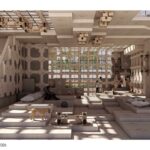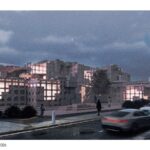
ANIMA (Adaptive Nexus for Intelligent Modular Architecture) is a cooperative housing platform that reconceives architecture as a continuously evolving socio-technical system. Rather than treating housing as a static product, the project proposes a dynamic framework in which built environments can respond to social, environmental, and technological change over time.
Rethinking The Future Awards 2026
First Award | Student – Mixed Use (Concept)
Project Name: ANIMA
Category: Student – Mixed Use (Concept)
Studio Name: RC3
Design Team: Konstantinos Smigadis, Selen Bektas, Nujud Alangari, Priscilla Maura
Area: Dalston, London
Year: 2024
Location: United Kingdom
Consultants:
Photography Credits: Konstantinos Smigadis
Render Credits: Konstantinos Smigadis
Other Credits:
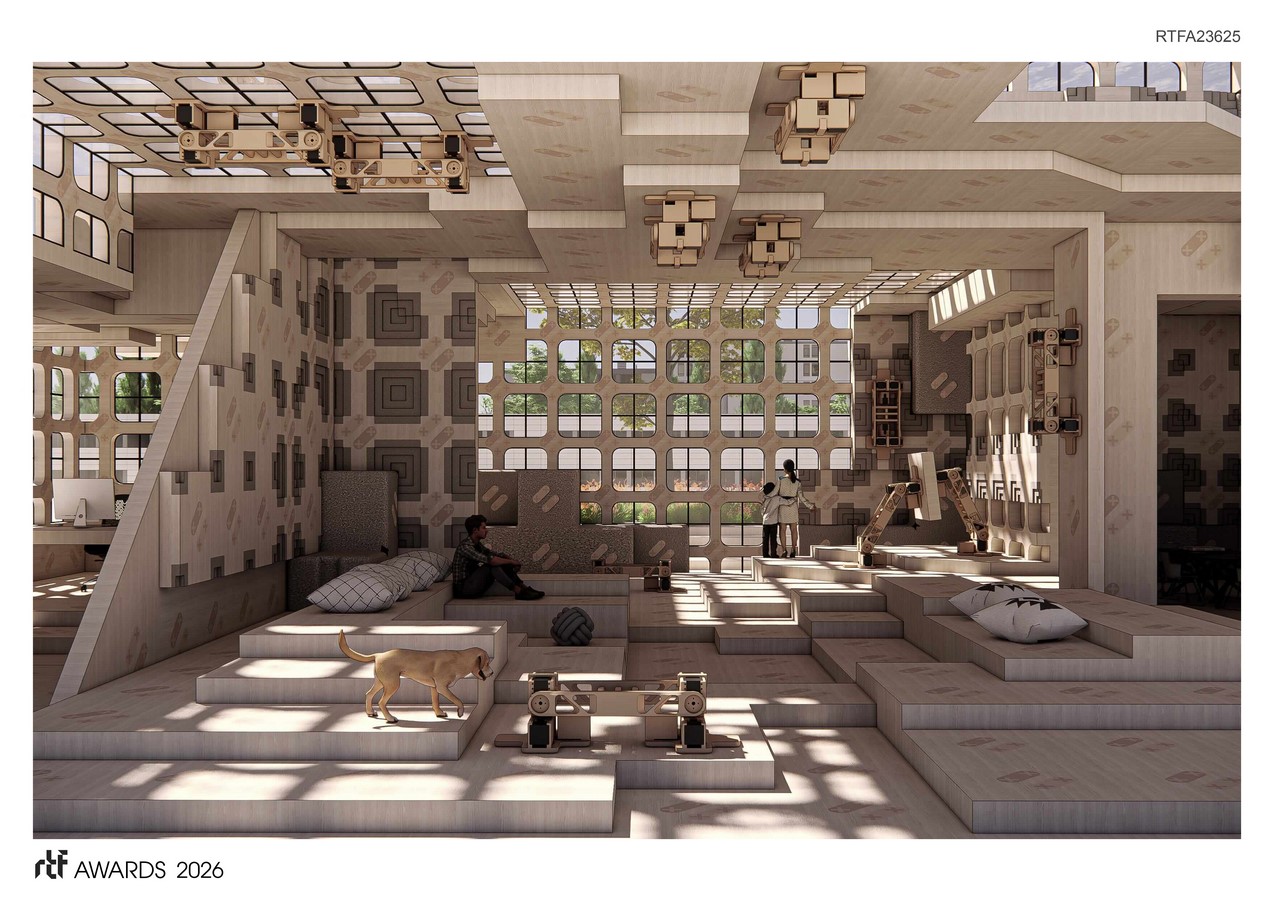
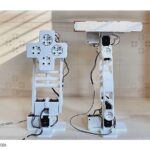
By combining reconfigurable modular blocks with modular robotic construction systems, ANIMA enables living spaces to adapt to changing resident needs, environmental conditions, and collective priorities, allowing architecture to evolve alongside the communities it serves.
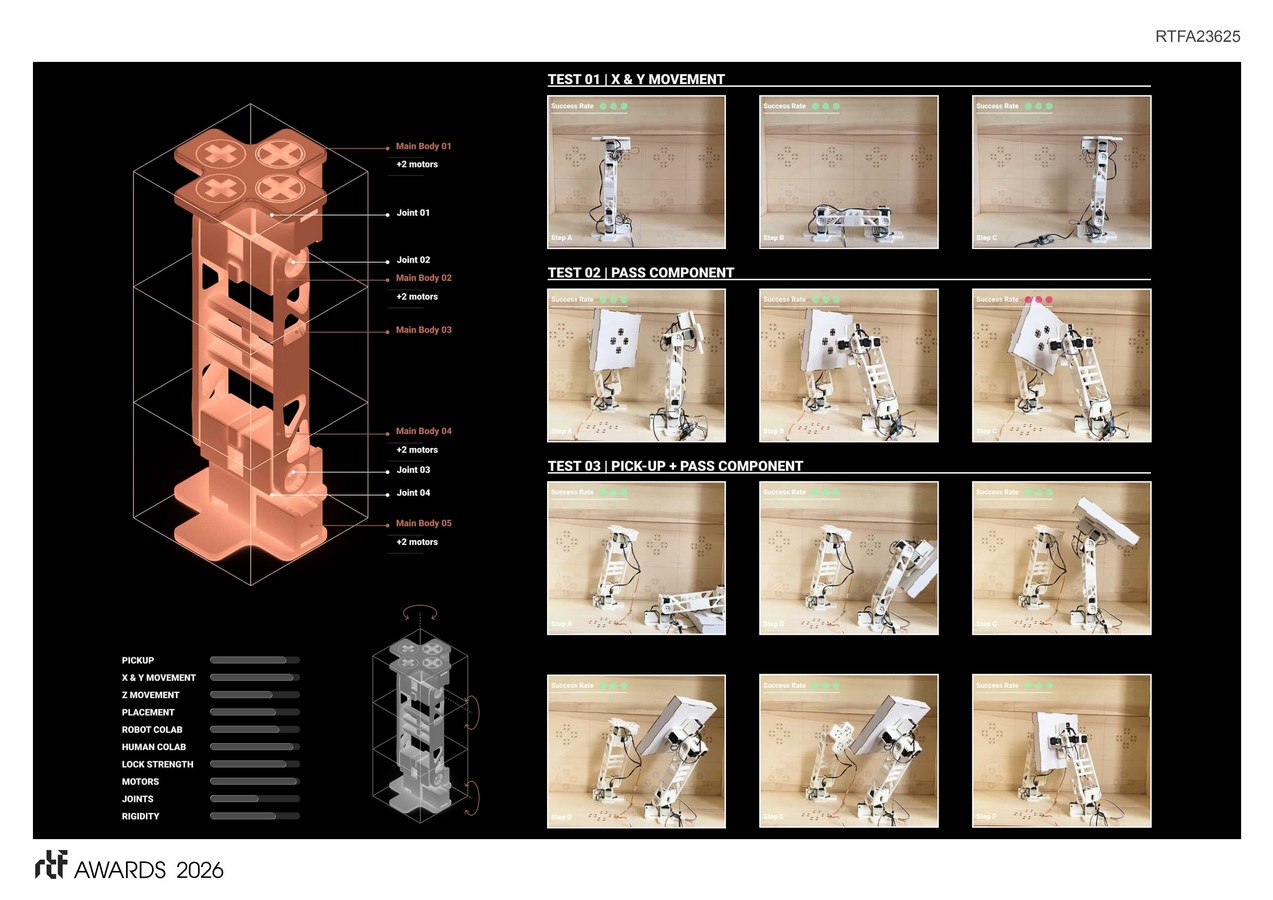
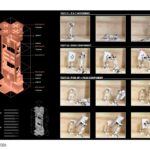
At the core of the proposal is a modular building system composed of standardized structural blocks and panelized components designed for robotic assembly and reconfiguration. These components can be incrementally added, removed, or reorganized, allowing spatial arrangements to transform over time without requiring demolition or complete reconstruction. This approach supports a cooperative housing model in which residents collectively shape and adjust their living environments as household structures, lifestyles, and community needs change.
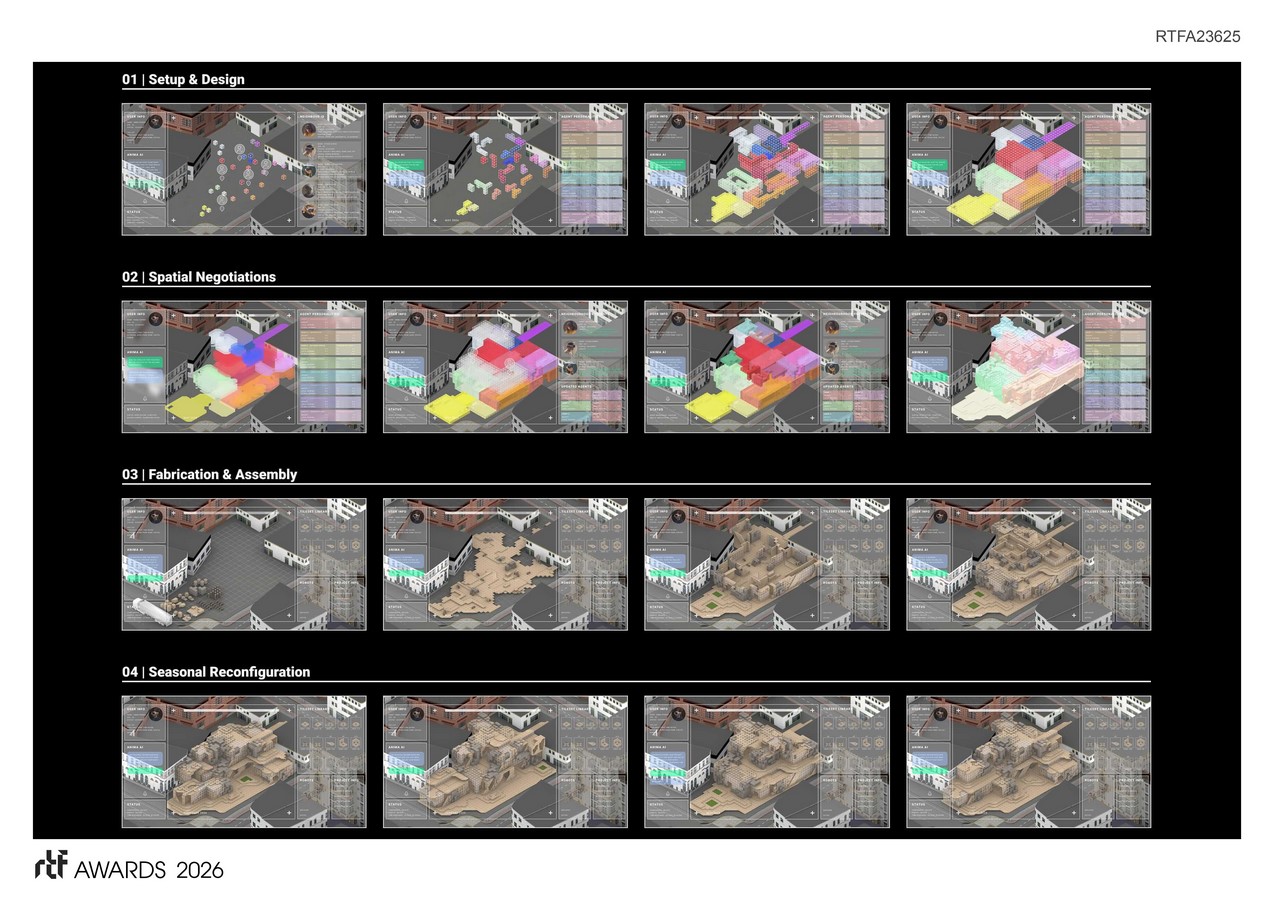
Materially, ANIMA employs hybrid carbon-negative materials, primarily mass timber and hempcrete. These materials support lightweight yet durable construction logic while significantly reducing embodied carbon. Designed for dry assembly, components can be disassembled, reused, and recycled across multiple lifecycles, enabling a circular material economy and extending the functional life of the architectural system.
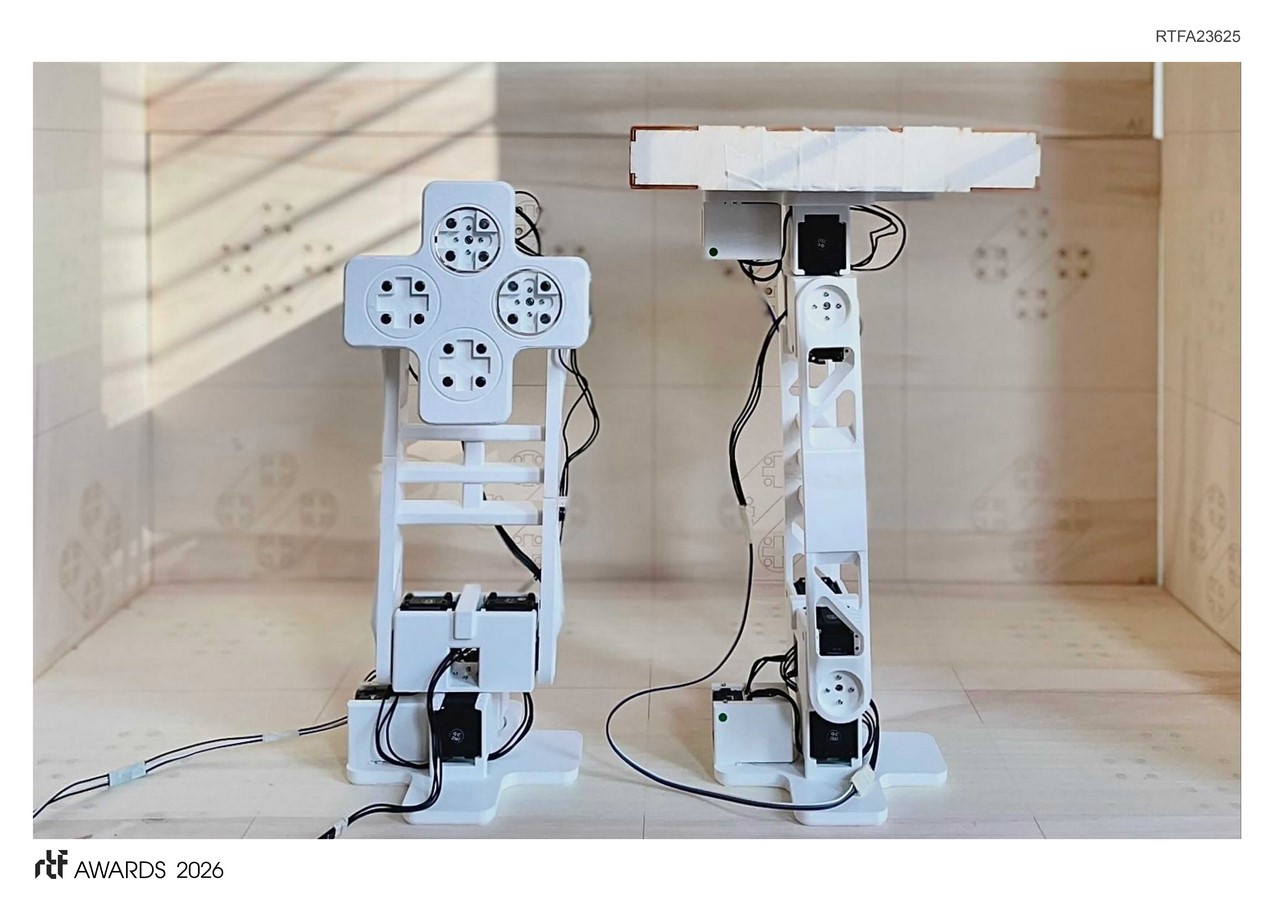
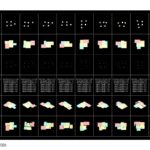
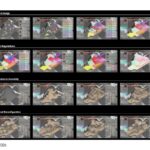
A multi-agent simulation and control framework governs both construction and spatial transformation. Trained through reinforcement learning, the system coordinates modular robots that assemble, modify, and reorganize building components in response to spatial requirements and environmental data. Spatial planning algorithms evaluate different configurations and guide the system toward efficient, adaptable arrangements that balance structural stability, resource efficiency, and resident needs.
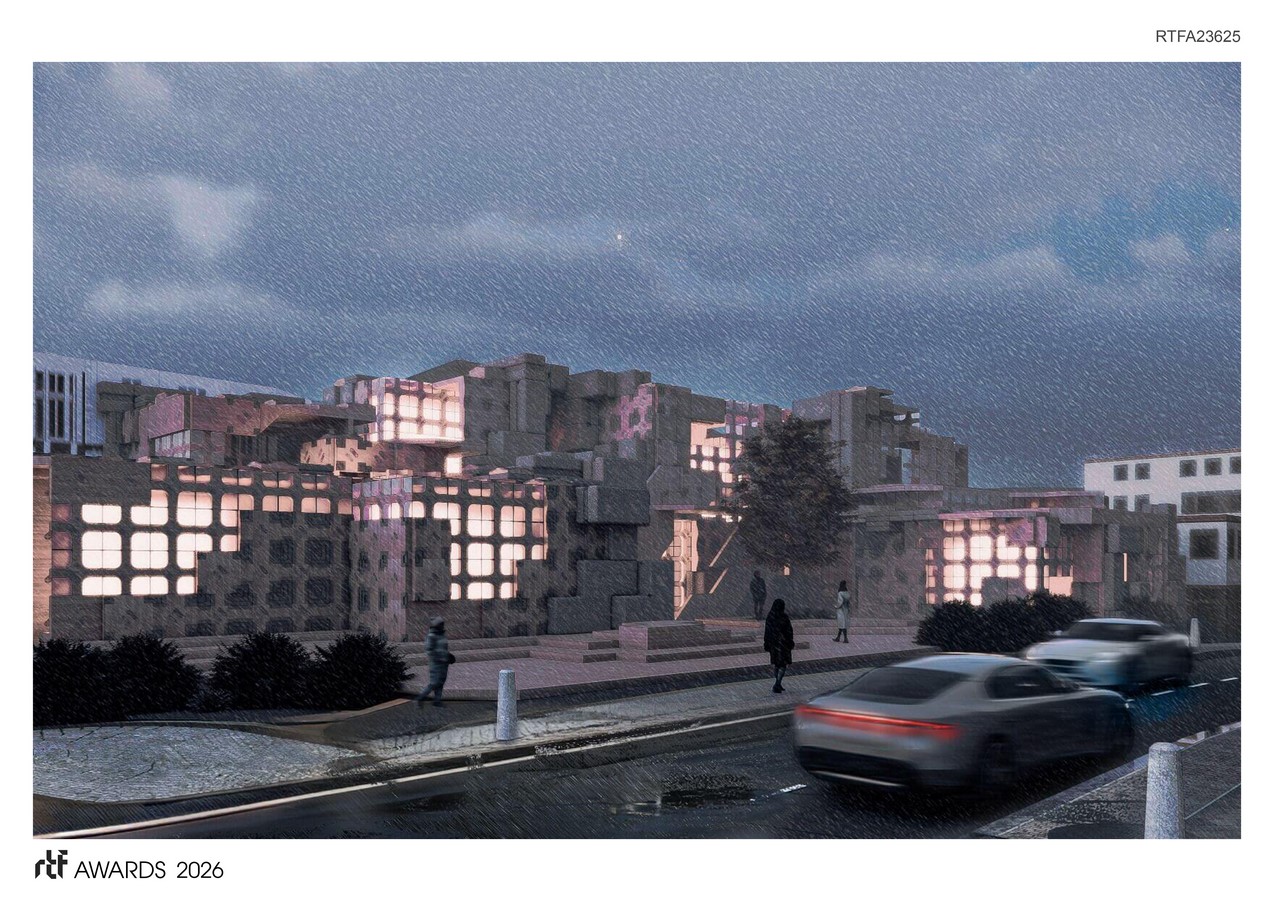
Operating across multiple temporal scales—from real-time spatial adjustments to long-term structural evolution—ANIMA establishes an adaptive architectural lifecycle. In this model, architecture is no longer a fixed artifact but a continuously negotiated process between residents, robotic construction systems, and material infrastructures. By integrating cooperative housing principles with robotic construction and computational design, ANIMA proposes a new paradigm for housing that prioritizes adaptability, sustainability, and long-term resilience within rapidly changing urban environments.