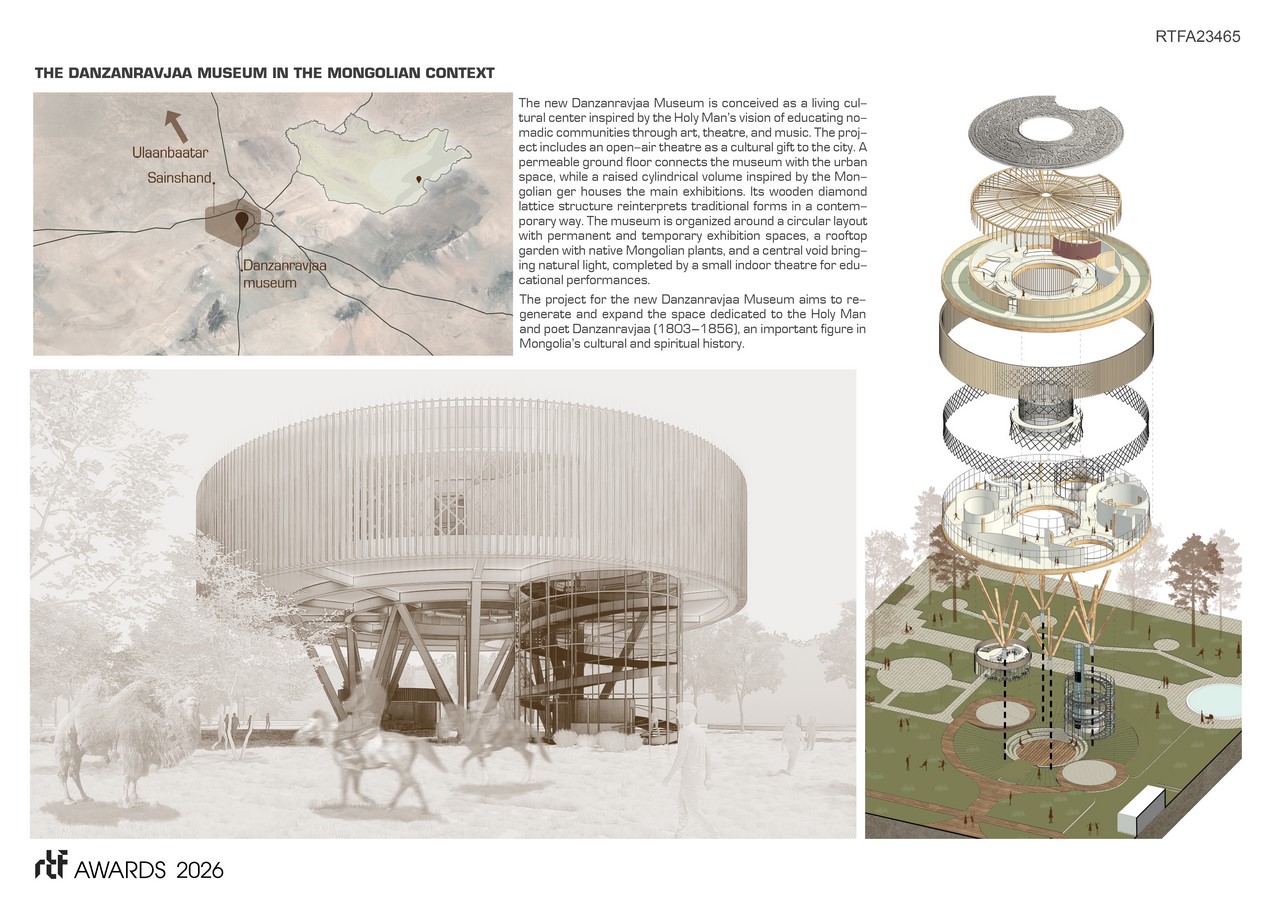
The project for the new Danzanravjaa Museum originates from the need to expand and redefine the existing museum in Sainshand, which is currently too small to properly preserve and display the rich cultural heritage related to Danzanravjaa (1803–1856).
Rethinking The Future Awards 2026
First Award | Cultural (Concept)
Project Name: Danzannravjaa Museum
Category: Cultural (Concept)
Studio Name: Studio Bianchi Architettura
Design Team: Sergio Bianchi, Fiorella Campodonico Roy, Olimpia De Sio, Sean Moyano, Silvia Perobelli, Hilal Yilmaz
Area:
Year: 2025
Location: Mongolia
Consultants:
Photography Credits:
Render Credits:
Other Credits:
As a major spiritual leader, poet, and cultural innovator in Mongolia, his legacy includes artworks, manuscripts, and historical artifacts that require a more adequate and contemporary space. For this reason, the proposal suggests demolishing the current structure and replacing it with a new museum complex, potentially located on the same site or near the Shambala temple, a place deeply connected to his spiritual significance.
Rather than being conceived as a traditional museum, the new project is envisioned as a dynamic cultural center. It draws inspiration from Danzanravjaa’s progressive vision, particularly his efforts to educate nomadic communities through art, music, and theatre. Notably, he founded the first nomadic theatre in Mongolia, using performance as a tool for cultural and spiritual dissemination. In continuity with this legacy, the project includes an open-air theatre, designed as a public space for performances and gatherings, reinforcing the idea of culture as a shared and living experience.
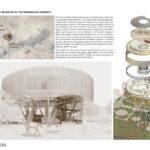
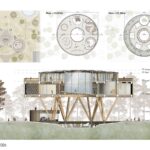
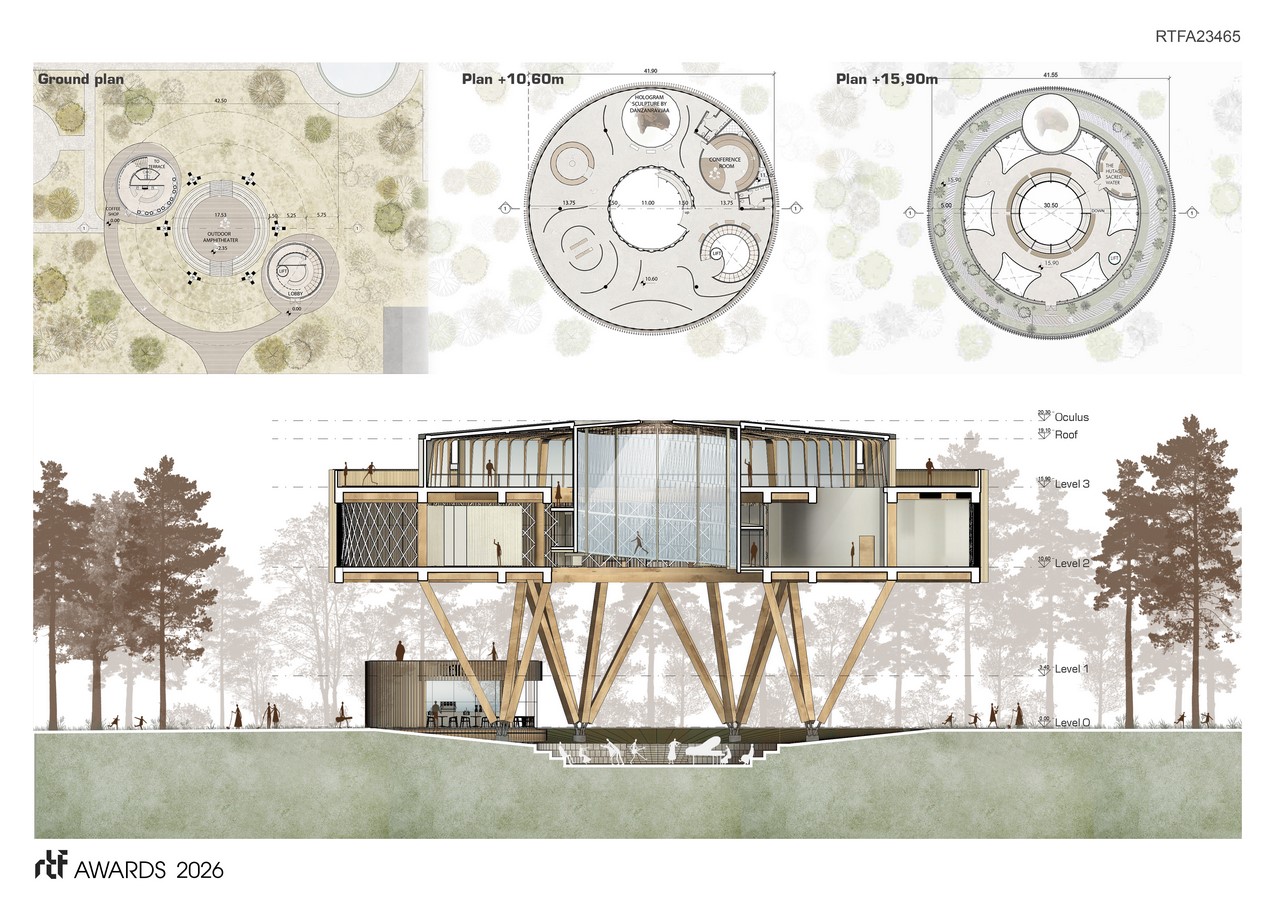
Architecturally, the building is designed to create a strong relationship between the museum and the city. The ground floor is open and permeable, functioning as a transitional space between urban life and the museum environment. It hosts the main entrance, informal meeting areas, and a café, encouraging social interaction and accessibility. Visitors then move upward via a monumental staircase or elevator, following a symbolic path toward the exhibition spaces.
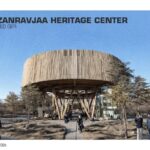
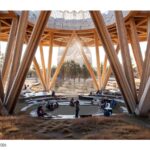
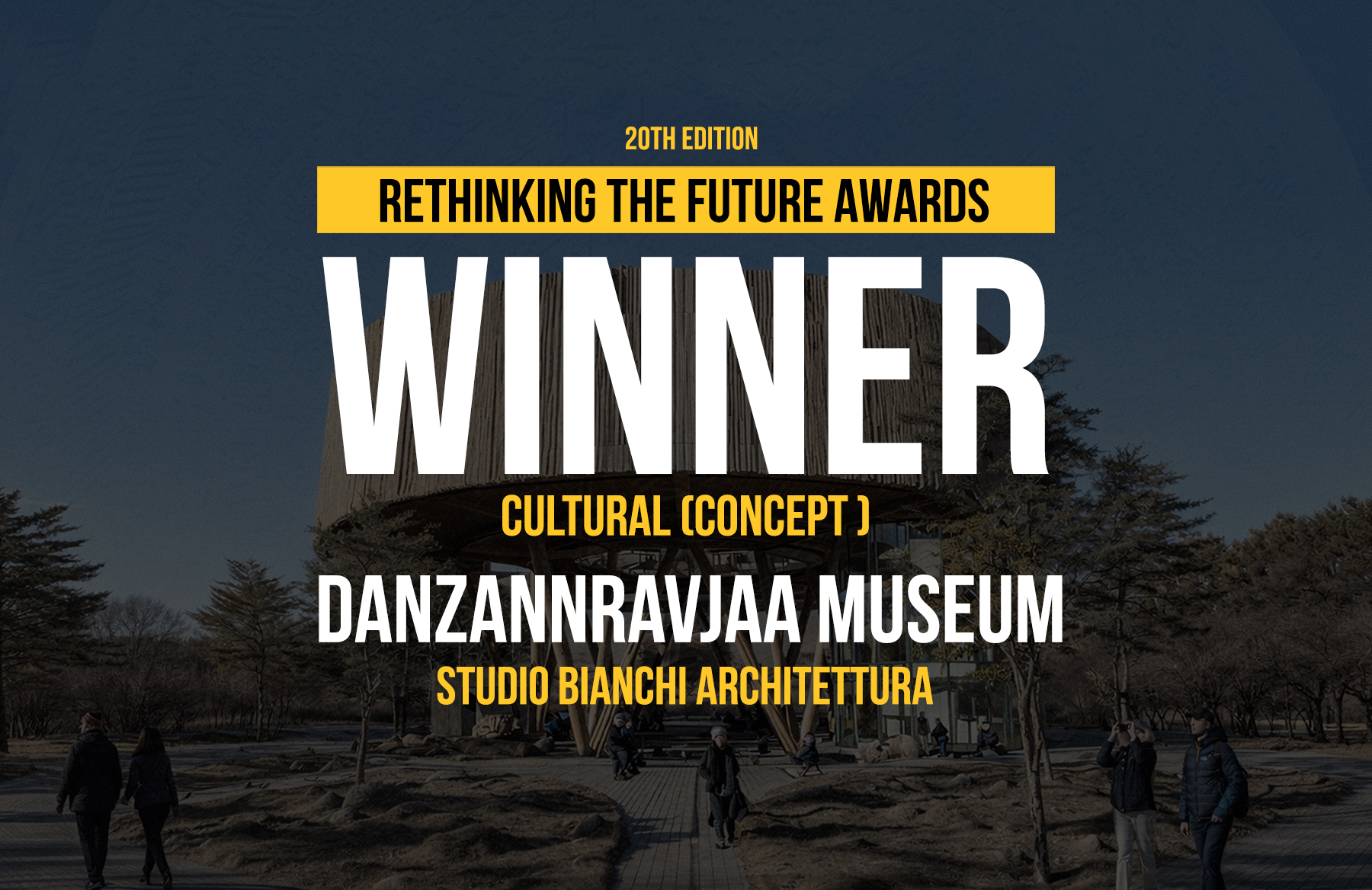
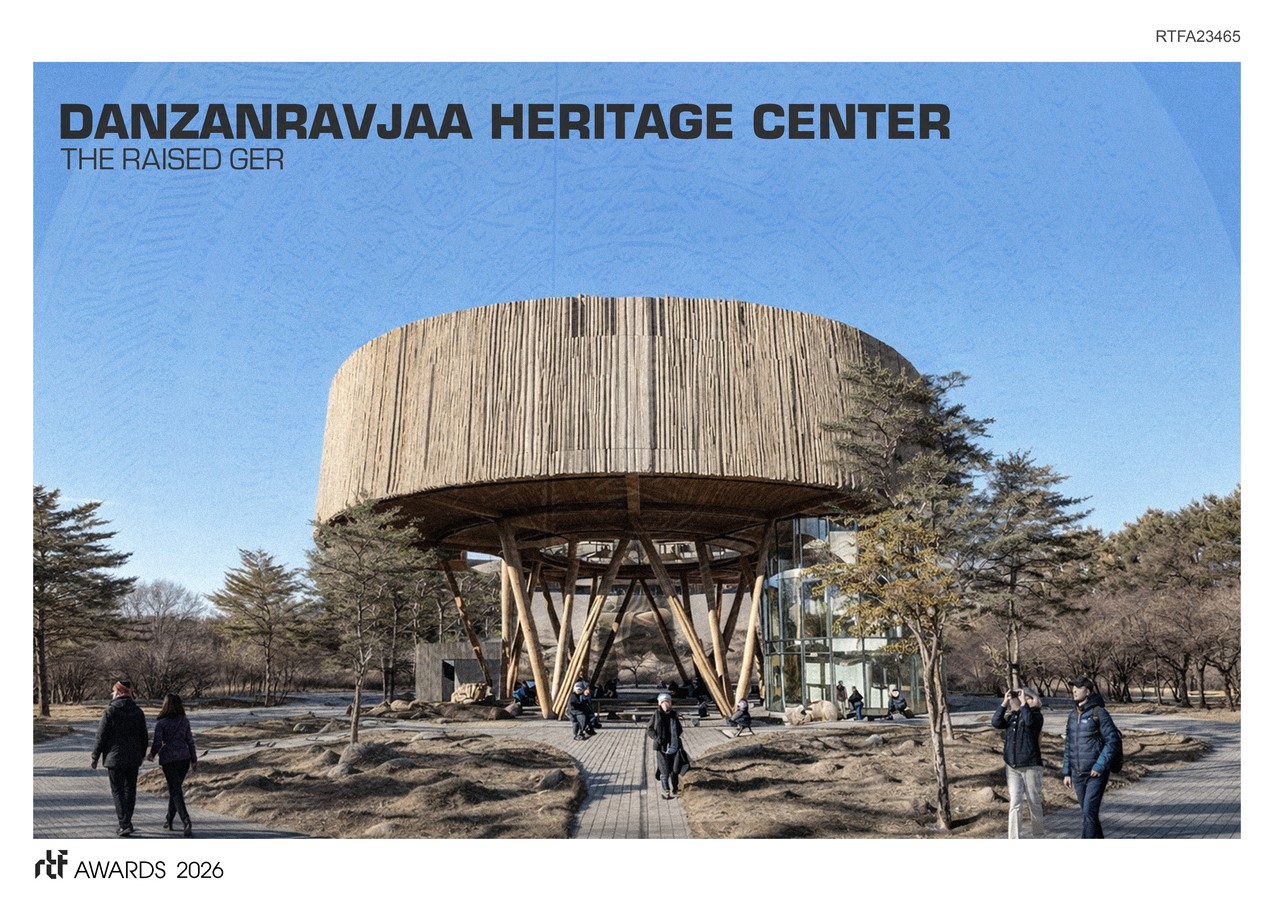
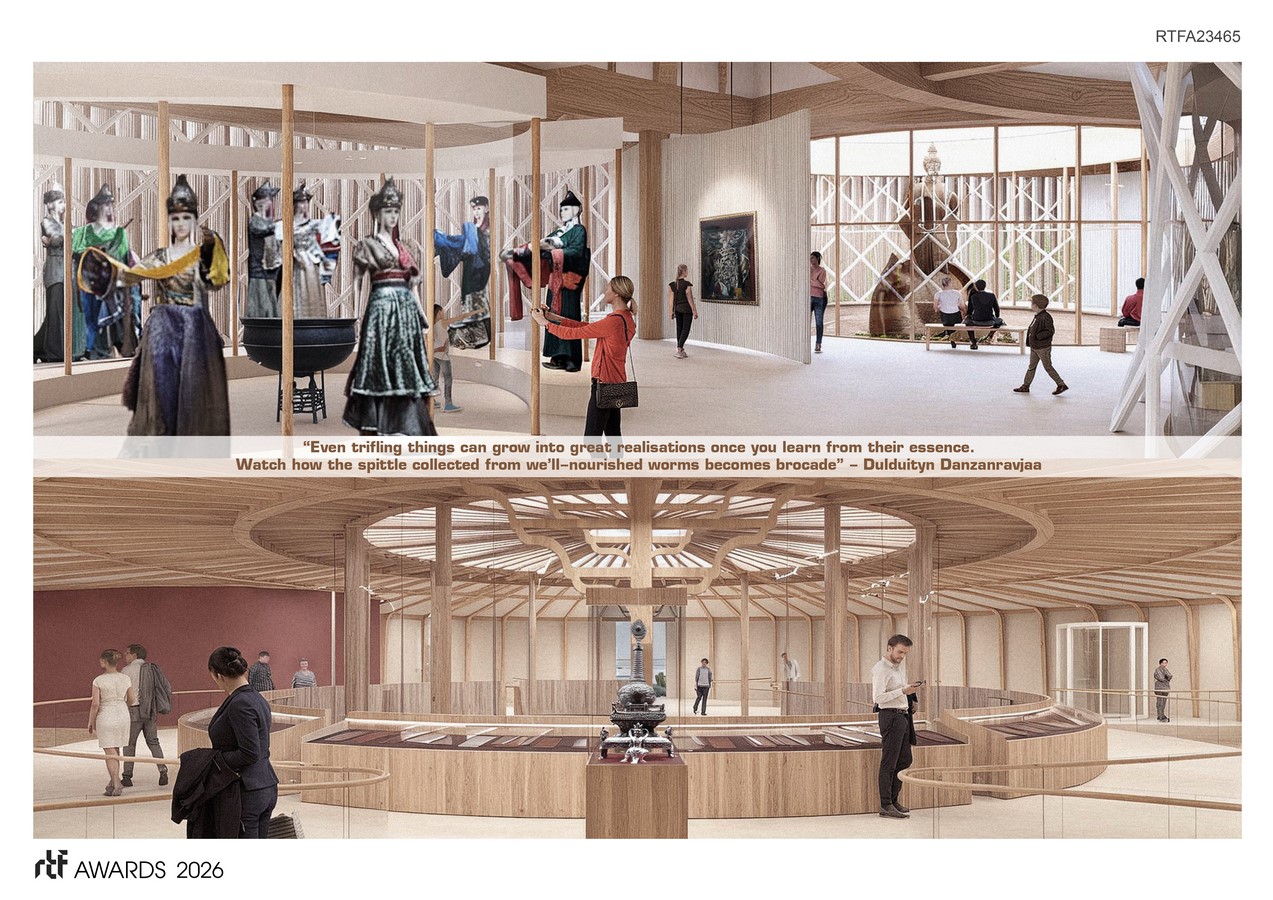
The main volume of the museum is elevated above the ground and takes the form of a cylinder inspired by the traditional Mongolian ger, reinterpreted in a contemporary way. The structure is primarily made of wood and features a modular lattice system that extends vertically and into the roof, creating a distinctive architectural identity that merges tradition with innovation.
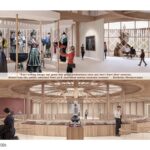
The internal organization is based on a circular layout. The first elevated level includes a ring-shaped exhibition area dedicated to permanent collections, archives, and storage spaces. Above this, a partially open-air level hosts temporary exhibitions and a rooftop garden showcasing native Mongolian plants, strengthening the connection between culture and landscape.
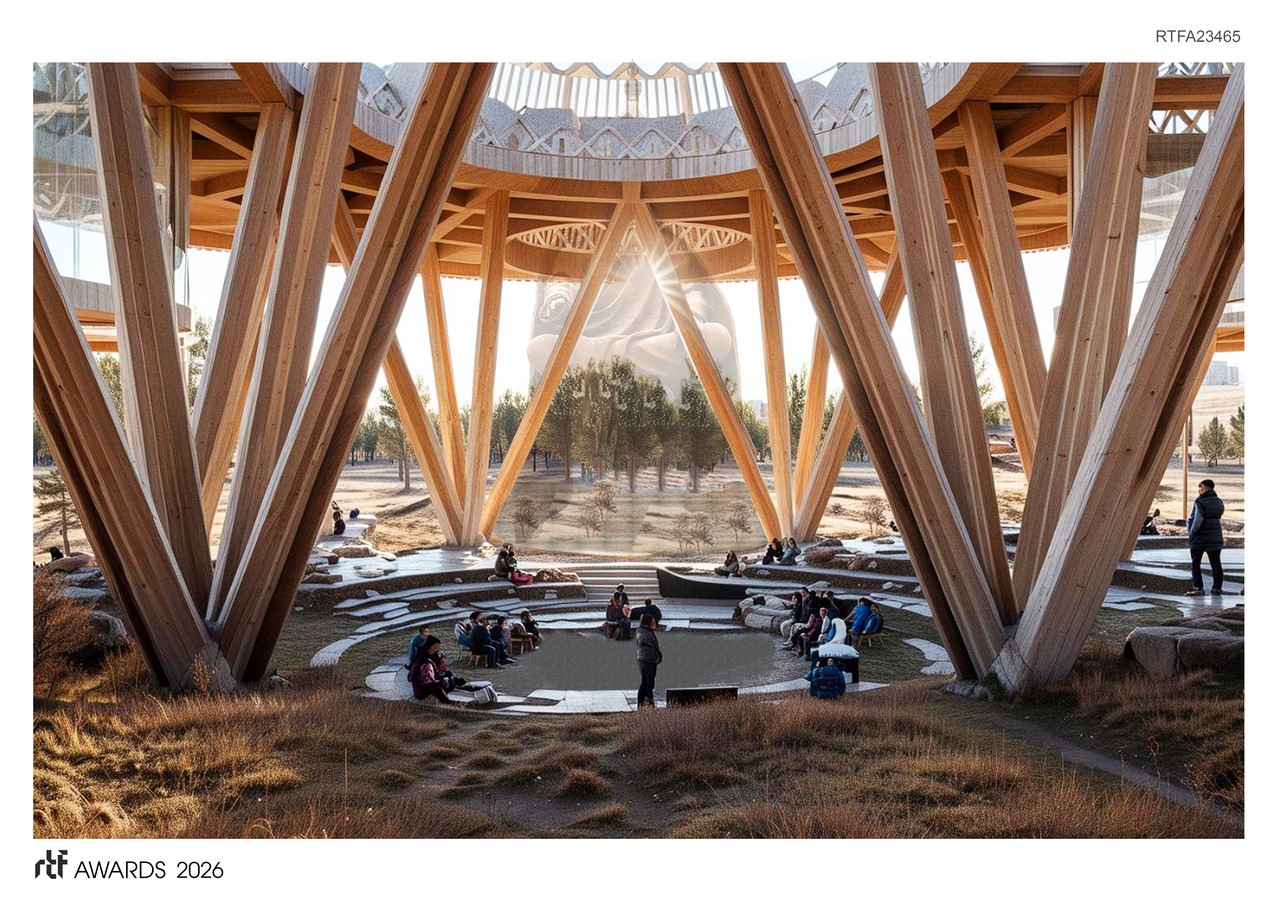
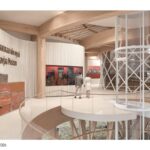
Circulation within the museum is fluid and accessible, with a gently sloping ramp connecting different levels and offering views over the open-air theatre below. At the center of the building, a vertical void brings natural light into the interior and houses a suspended hologram of Danzanravjaa, symbolically placing his presence at the heart of the museum.
The exhibition design allows for immersive experiences, with generous ceiling heights enabling multi-level displays of artifacts. Storage areas are integrated to support rotating exhibitions, ensuring the preservation and dynamic presentation of the collection. The visitor experience concludes with a small indoor theatre dedicated to educational performances.
Overall, the project combines architecture, culture, and landscape to create a contemporary museum that honors tradition while promoting cultural exchange, learning, and community engagement.