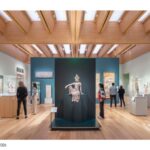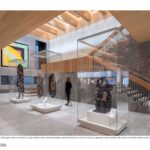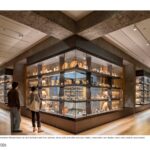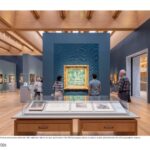
The new Princeton University Art Museum transforms the traditional academic museum model into a dynamic cultural gateway at the heart of campus. The design scope included developing an adaptable display system that brings unprecedented access to an extensive collection of works.
Rethinking The Future Awards 2026
First Award | Exhibition Design (Built )
Project Name: Princeton University Art Museum, Gallery installations
Category: Exhibition Design (Built )
Studio Name: Studio Joseph
Design Team:
Wendy Evans Joseph, Partner-in-charge
Monica Coghlan, Partner
Jose Luis Vidalon, Partner
Chris Spadazzi, Senior Project Manager/technology
Alice Tallmann, Art Manager
Anthony Roy, Graphic designer
Brandon Studer, graphic designer
Farah Alkhoury, Shriya Sanil, Ignacio Gonzalez, exhibition designers
Area: 40,000 SF
Year: 2025
Location: Princeton University Art Museum, Princeton, New Jersey
Consultants:
Lighting: Tillotson Design Associates,
Fabrication Kubik Maltbie with Click Netherfield
Photography Credits: Alex Fradkin
Render Credits: All renderings and drawings by Studio Joseph
Other Credits: N/A
The new building doubles the previous museum’s capacity while reimagining how a teaching museum can serve both scholarly and public audiences.
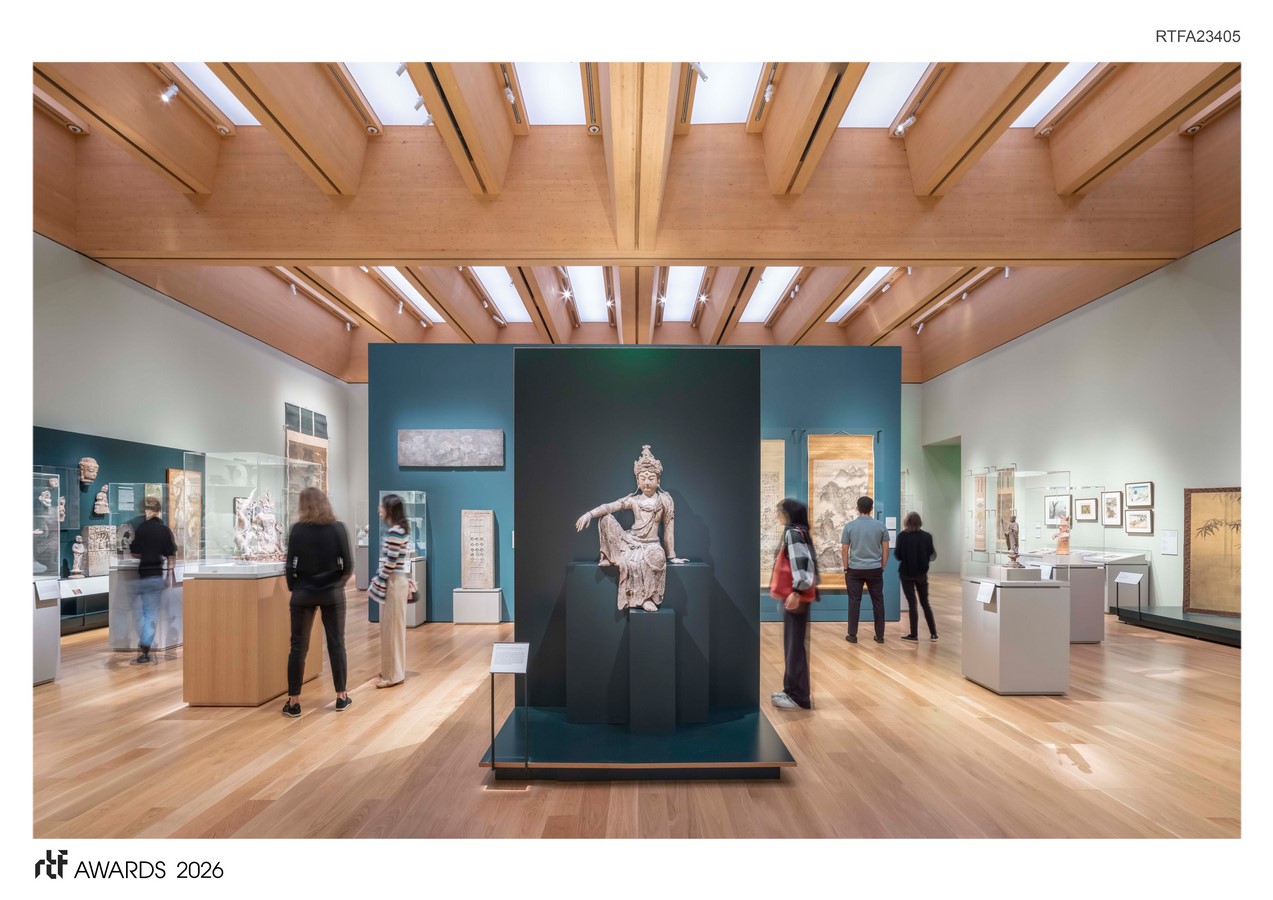
The metaphor for this teaching museum is more seminar than lecture: visitors are invited to look closely, interrogate assumptions, and make their own meanings within an open-ended framework. Thoughtful consideration of barriers, sightlines, lighting, and object placement creates a fluid path through the Museum, enhancing the pleasure—and agency—of serendipitous discovery. Artwork juxtapositions open dialogue and encourage critical thinking, modeling the inquiry-based learning that defines Princeton’s academic culture.
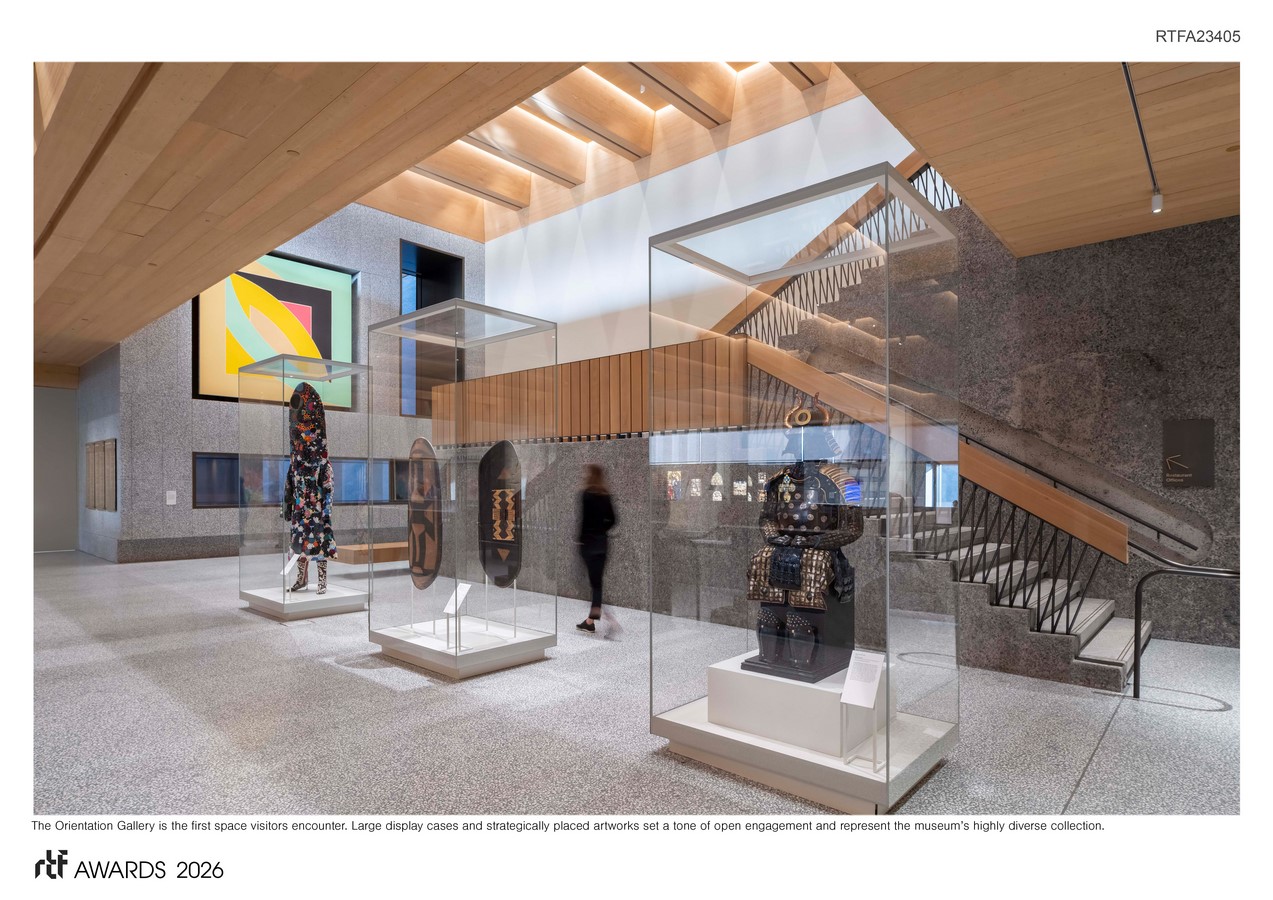
Integrated Design Approach
Most of the art displays occupy the 2nd floor of the museum, with nine large pavilions linked by open-plan galleries that weave throughout the floor. This open plan prioritizes cultural contact and exchange over traditional geographical or chronological hierarchies. The design process brought together over 30 stakeholders from curatorial, education, conservation, digital strategy, collections management, and installation departments. This cross-functional approach ensured careful consideration of conservation requirements and seamless integration of exhibition elements within the complex architectural framework. The design team created 3D models of all 7,000+ objects on display, enabling precise planning of intricate object arrangements and casework layouts. Collaboration with curators established meaningful conversations between works.
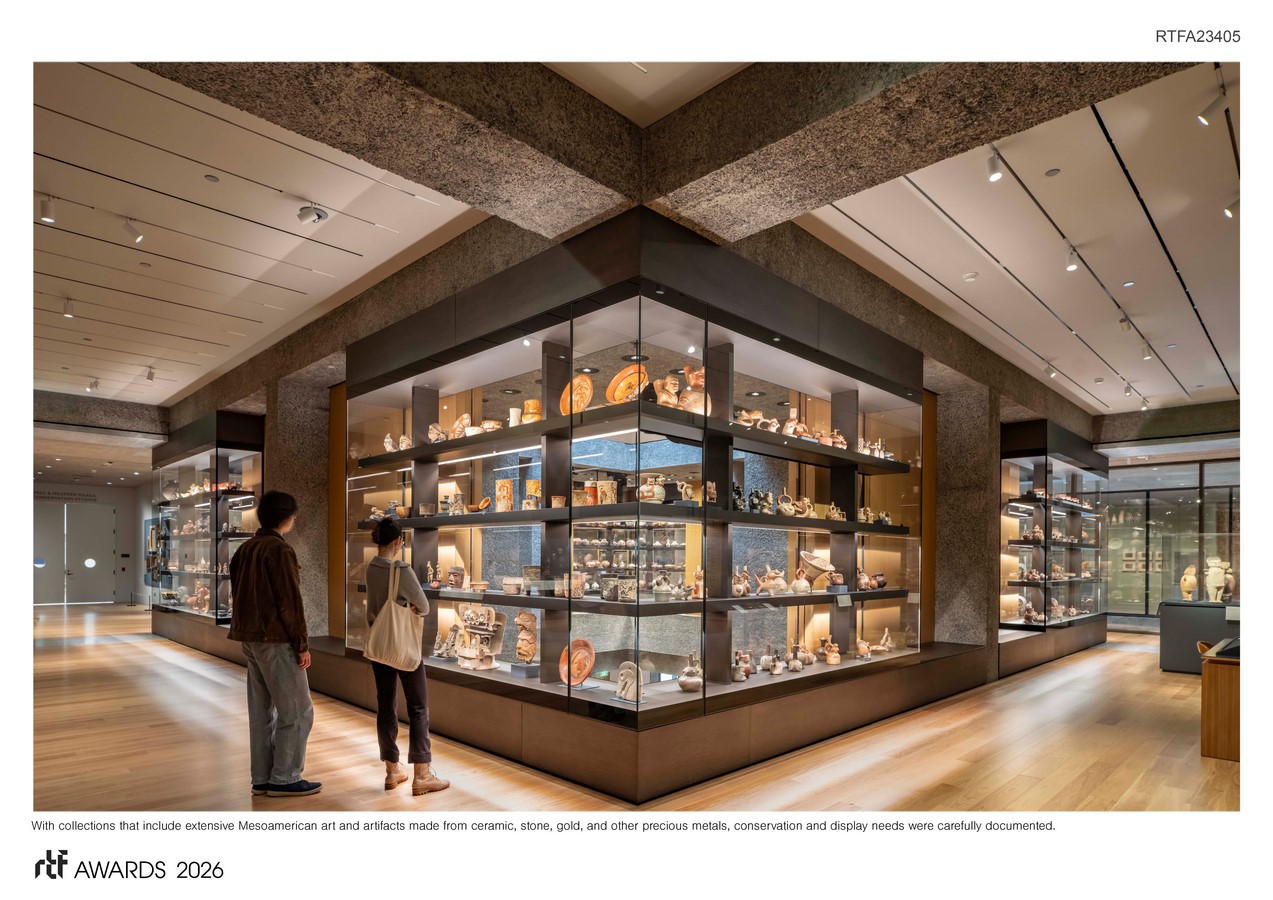
Design Strategy
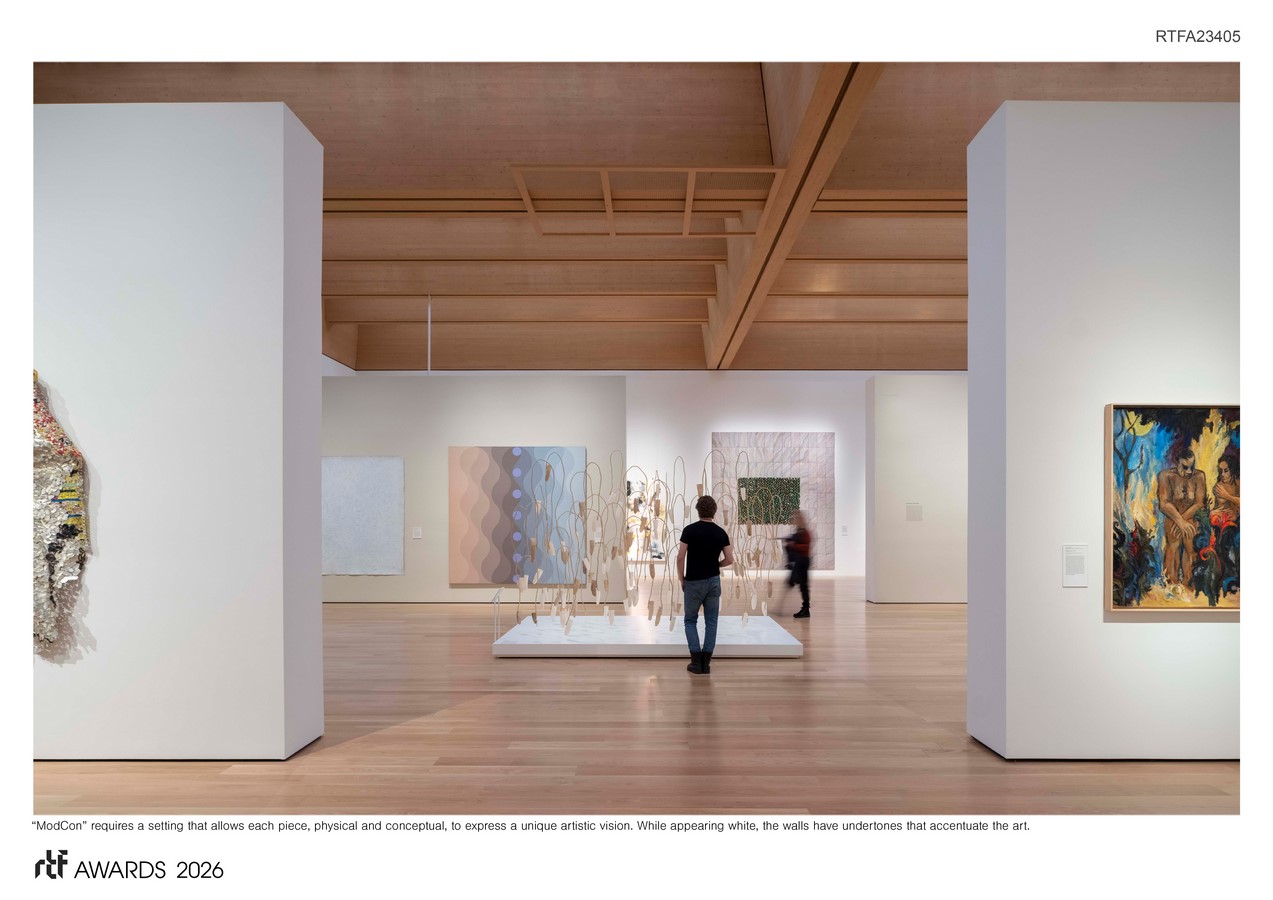
Although the architectural design anchors the museum with enduring materials, including bronze, glue-laminated wood ceilings, terrazzo, and textured concrete, the gallery design embraces flexibility to support a changing, iterative museum. The color palette for the walls includes deep, saturated tones ranging from blues to greens, with occasional use of cooler gray tones and textured fabrics. The choice of shades reflects the artworks, their context, scale, and relationships. It also helps counteract the warm palette of the wood ceilings and floors.
A comprehensive typology of adaptable casework serves both immediate display needs and future flexibility. This versatile system accommodates Princeton’s diverse global collections while meeting the highest conservation standards. Close-viewing tables with integrated drawers allow students to examine artifacts during seminars and study sessions. Interpretation, including text panels and object labels, can be easily updated in-house as curatorial perspectives evolve and new scholarship emerges. The adaptable casework allows for frequent rotations without significant changes to fabric-wrapped panels or lighting—essential for a museum where collection access directly supports teaching and research.
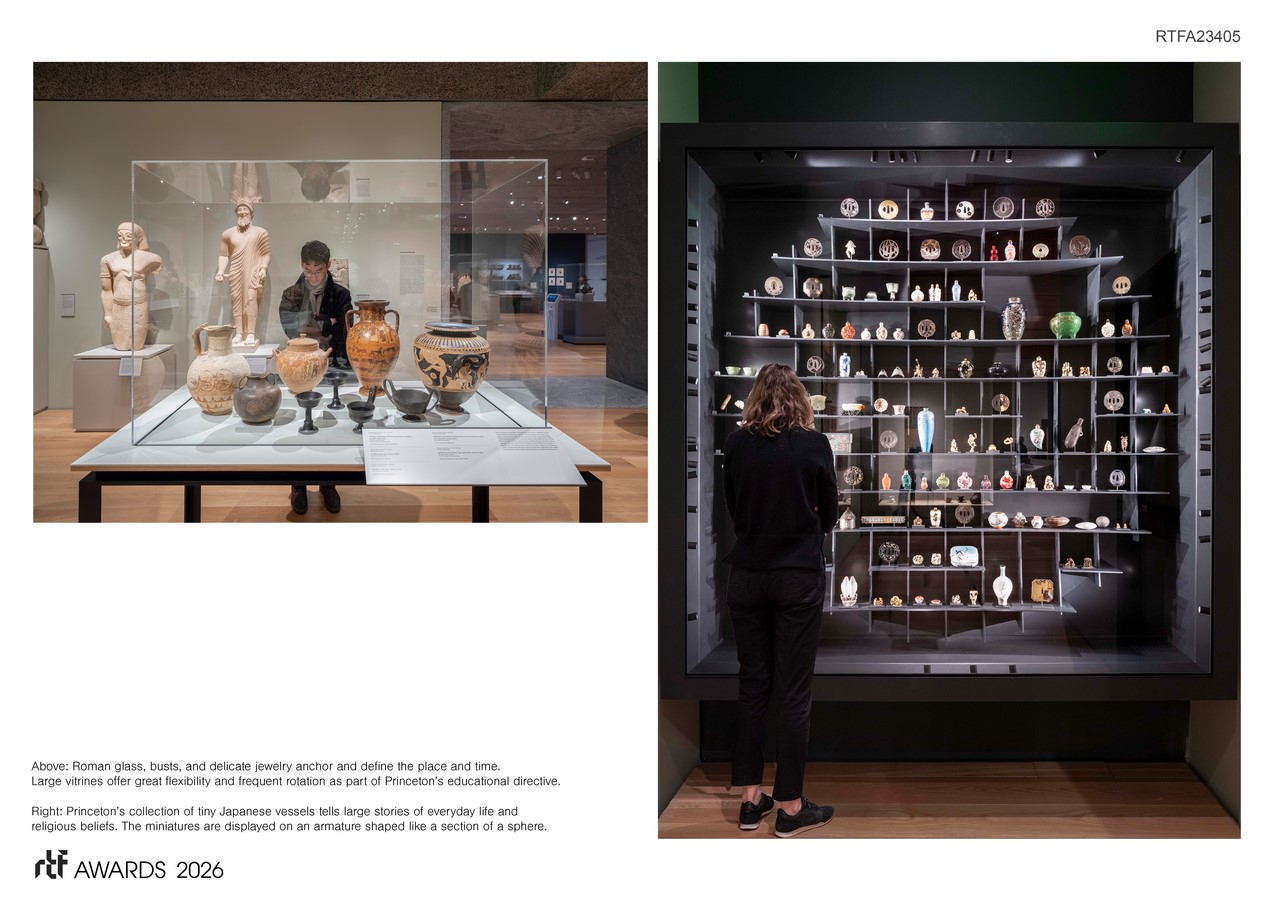
At the new Princeton University Art Museum, a 5,000-year span of human creativity becomes accessible to all—students, scholars, and the public alike—in spaces designed to nurture “a deeper sense of our shared humanity.”