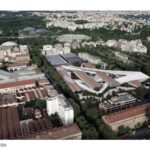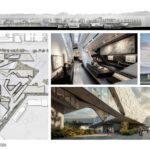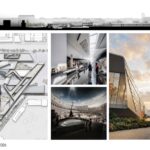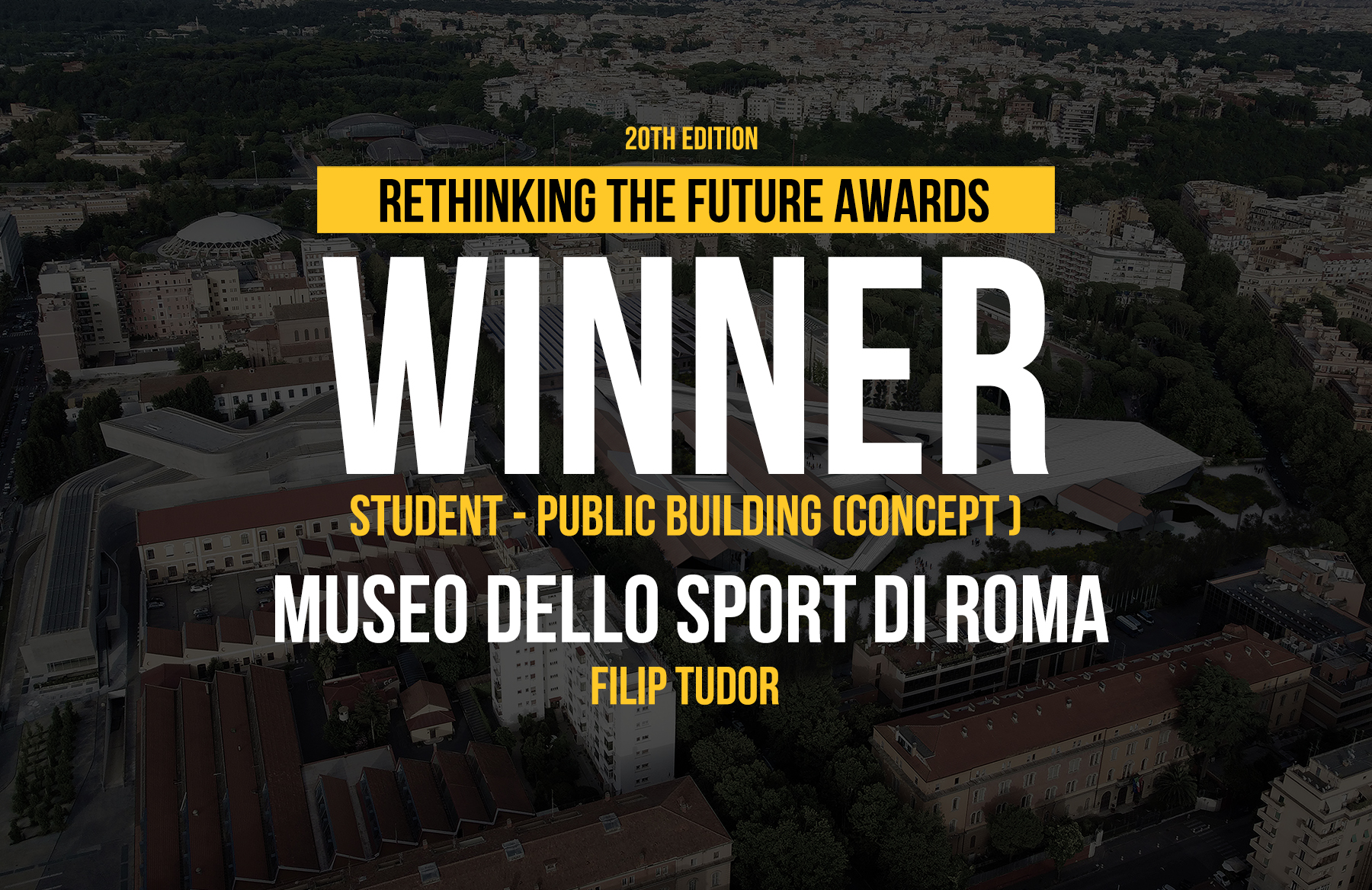
Museo dello Sport, Rome is conceived as a cultural and urban catalyst that transforms the memory of sport into a contemporary architectural experience. Located on the former Guido Reni military site, opposite MAXXI, the project reactivates a historically charged area of Rome by connecting Olympic heritage, collective memory, and public life through a new museum environment.
Rethinking The Future Awards 2026
First Award | Student – Public Building (Concept)
Project Name: Museo dello Sport di Roma
Category: Student – Public Building (Concept)
Studio Name: DO Architects – Dezon Optim
Design Team: arh. Filip Tudor
Area: 33.500 mp
Year: 2025
Location: Italy, Rome, Via Guido Reni
Consultants: –
Photography Credits: –
Render Credits: arh. Filip Tudor
Other Credits: –
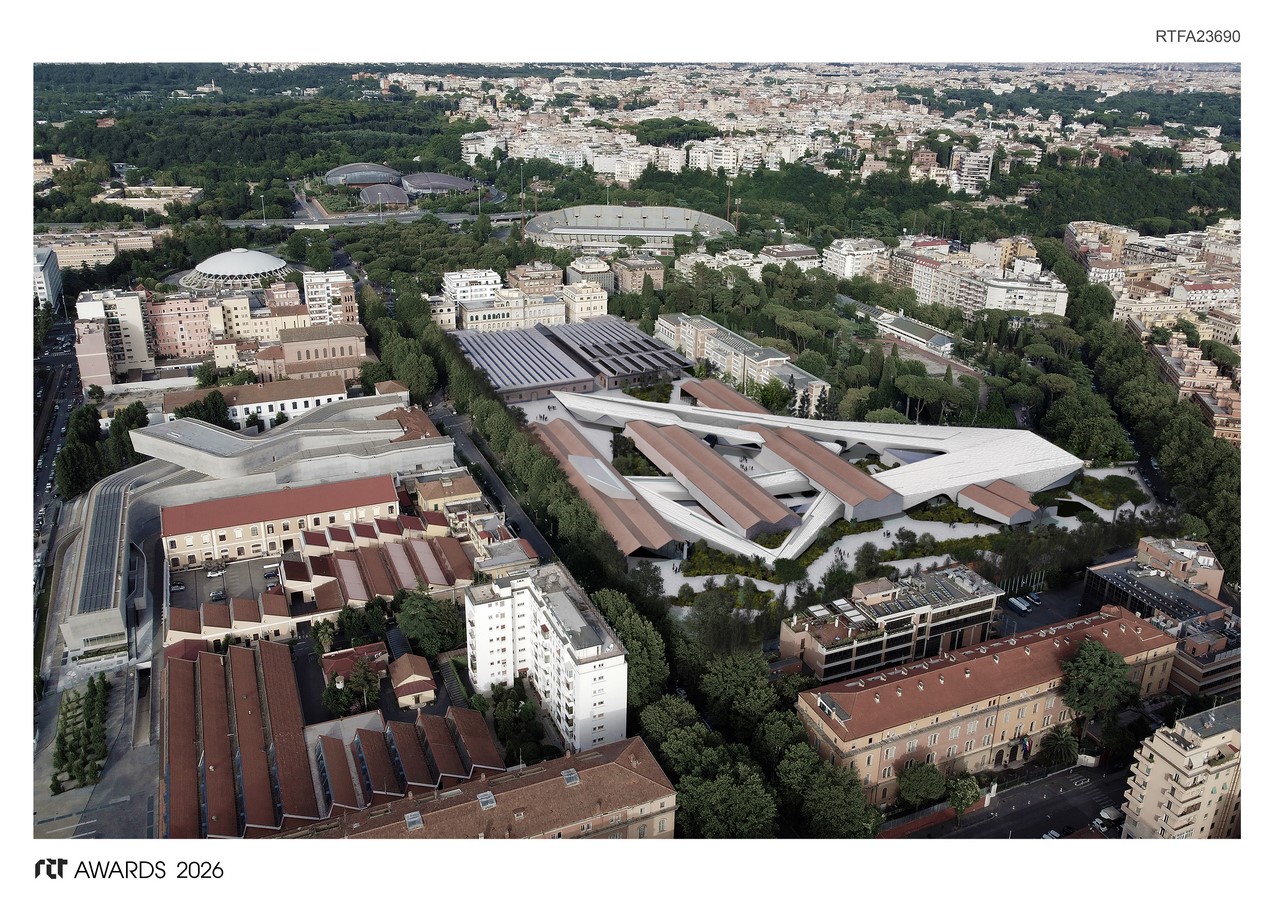
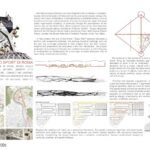
Rather than treating sport only as competition or spectacle, the project interprets it as a cultural force that has shaped cities, societies, bodies, and identities across time.
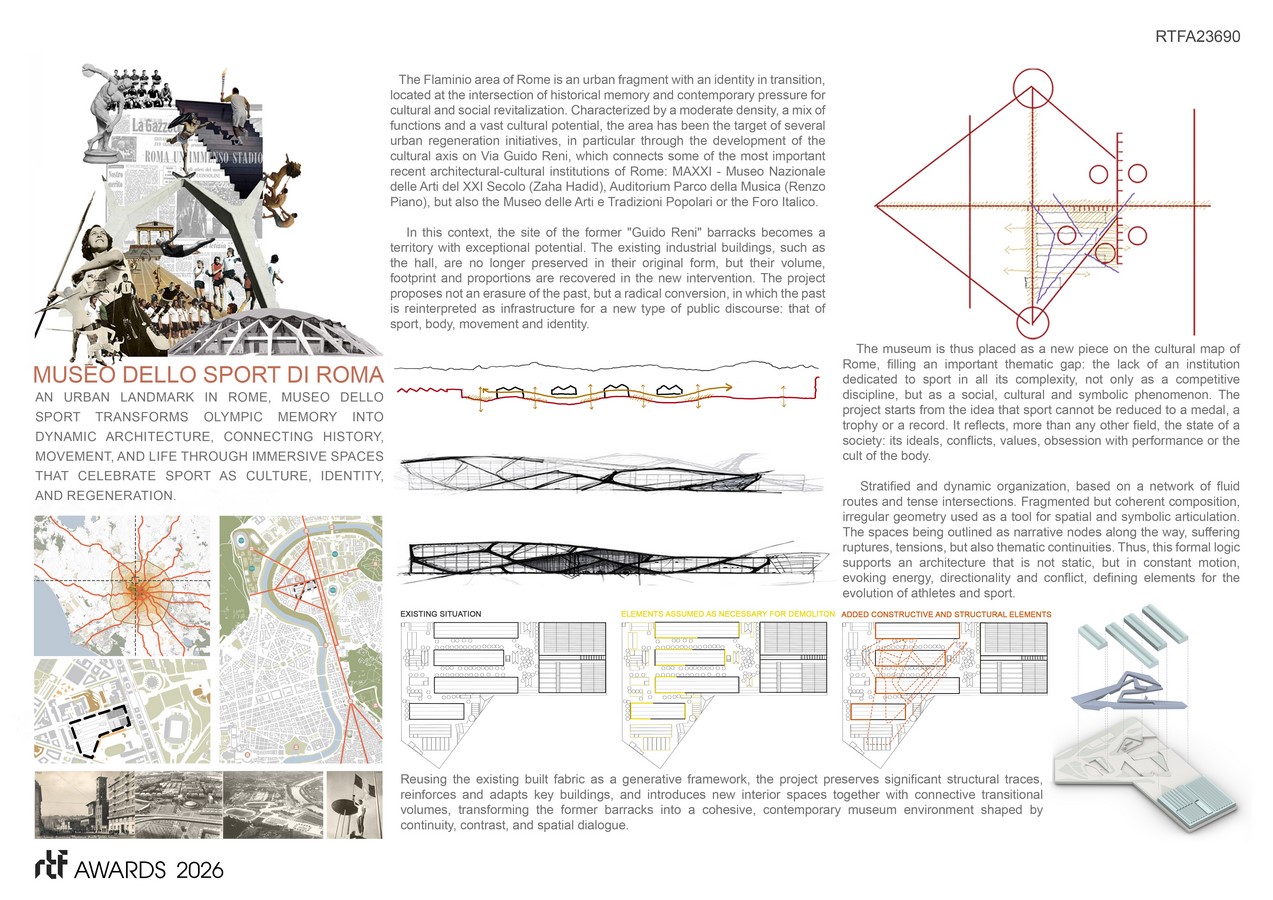
The proposal is rooted in the reuse and reinterpretation of the existing barracks fabric. Significant traces of the former military complex are preserved, reinforced, and spatially reworked, allowing the project to maintain continuity with the site’s historical memory while introducing new architectural interventions. Existing structures become anchors for a sequence of newly inserted interior spaces and connective volumes that reorganize the site into a coherent museum ensemble. This approach creates a dialogue between permanence and transformation, where the old fabric is not frozen as relic, but activated as part of a new public and cultural narrative.
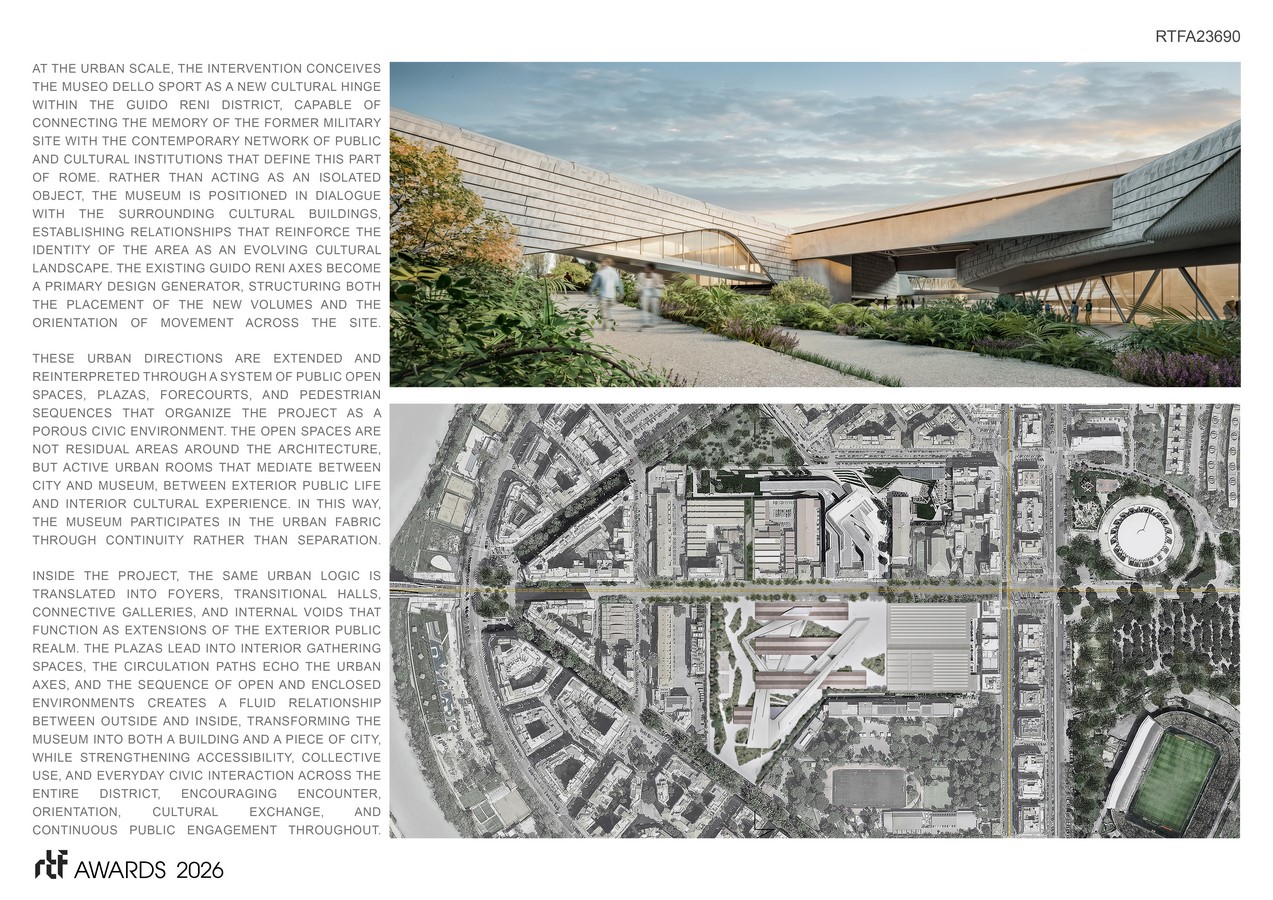
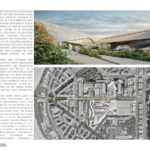
At the urban scale, the museum is designed as an extension of the Guido Reni district’s cultural landscape. The existing site axes are reinterpreted to generate new pedestrian connections, plazas, and open civic spaces that integrate the project into the surrounding city. These exterior public spaces continue into the museum through foyers, galleries, voids, and transitional halls, producing a fluid relationship between urban space and exhibition space. The museum therefore operates both as a building and as a piece of city.
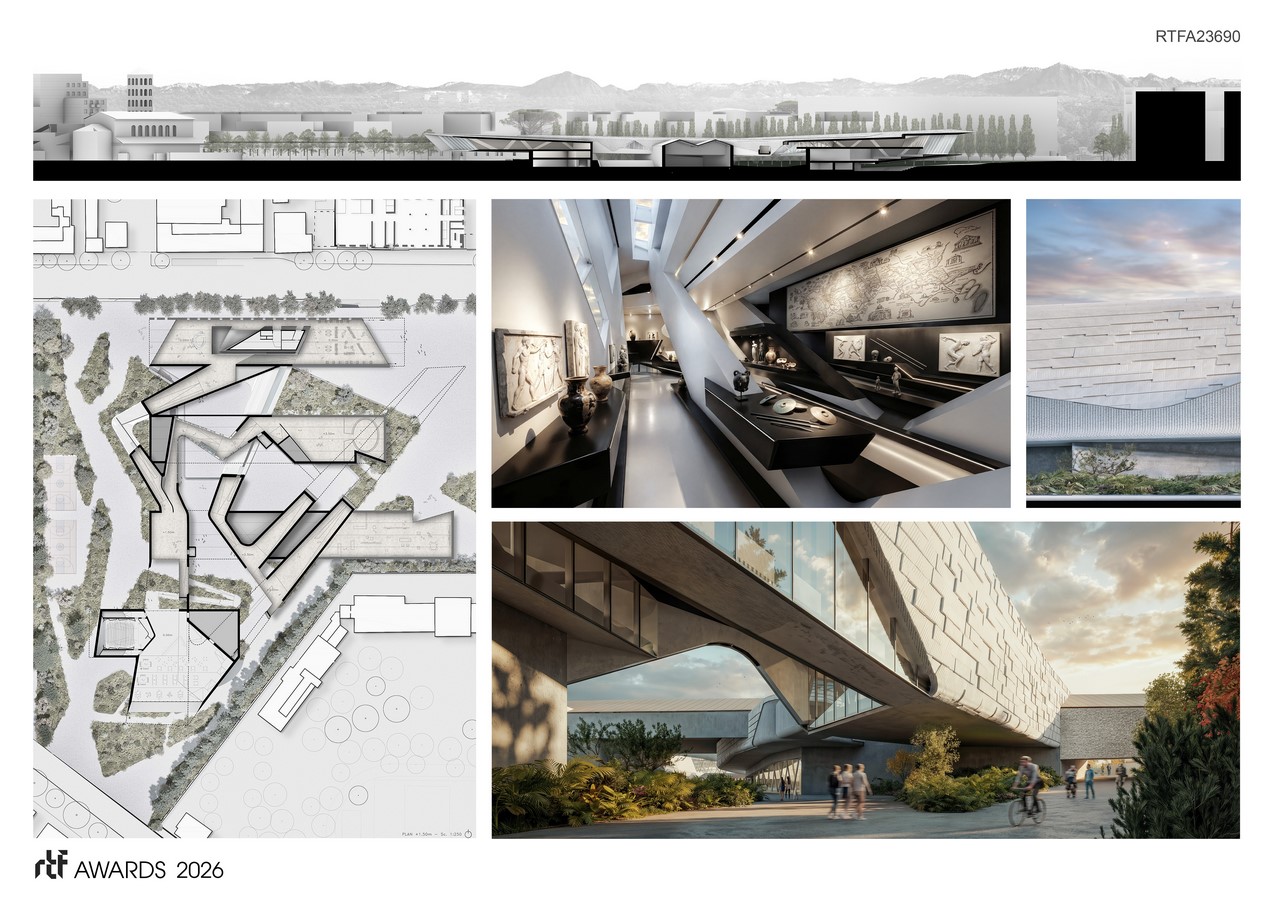
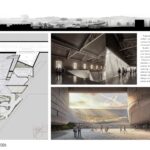
Spatially, the project reflects the non-linear evolution of sport and the athlete. The exhibition route is conceived as exploratory rather than chronological, guiding visitors through immersive thematic environments that express different moments, values, and intensities of sporting culture. Architecture becomes an active narrative device: massing, light, materiality, and atmosphere are used to differentiate themes and create emotional transitions between spaces. The foyer acts as the central node connecting the museum’s main areas, while each thematic zone develops its own identity through spatial character rather than strict formal separation.
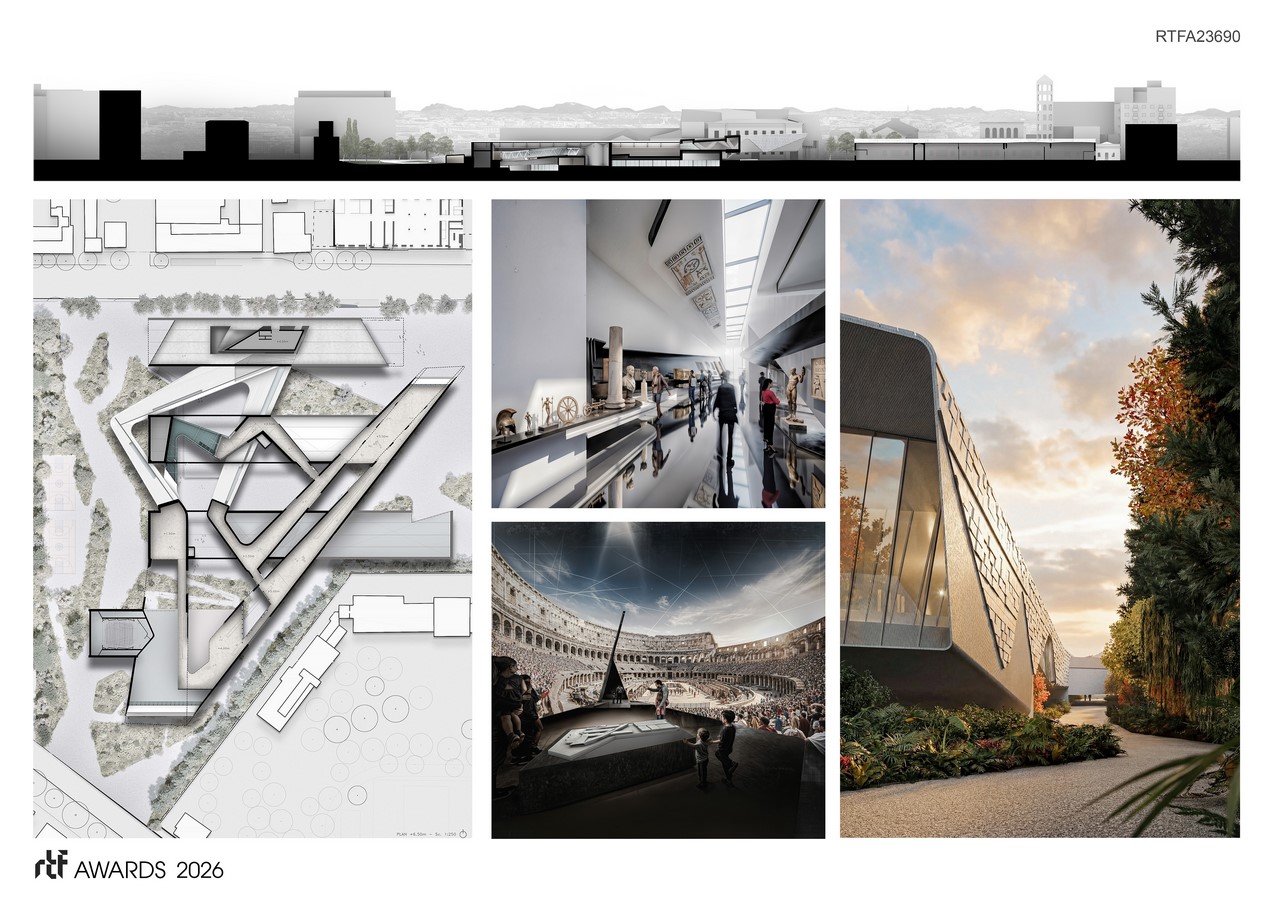
Formally, the project draws from deconstructivism, brutalism, cubism, and high-tech architecture, generating a powerful and fragmented composition that expresses movement, tension, and transformation. Through this language, Museo dello Sport proposes a new civic landmark for Rome: a museum that preserves memory, engages the present, and contributes to the cultural and urban regeneration of the Guido Reni site.