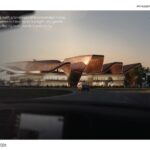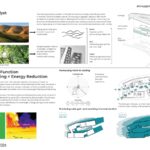
At the center of a major research campus, an iconic structure emerges—shaped by its landscape and oriented toward an open, adaptable future. Informed by the rhythms of the surrounding valley, the design translates natural topography and wind patterns into an architecture that choreographs movement, energy, and light. The result is a form that feels grounded and protective, yet dynamic and forward-looking.
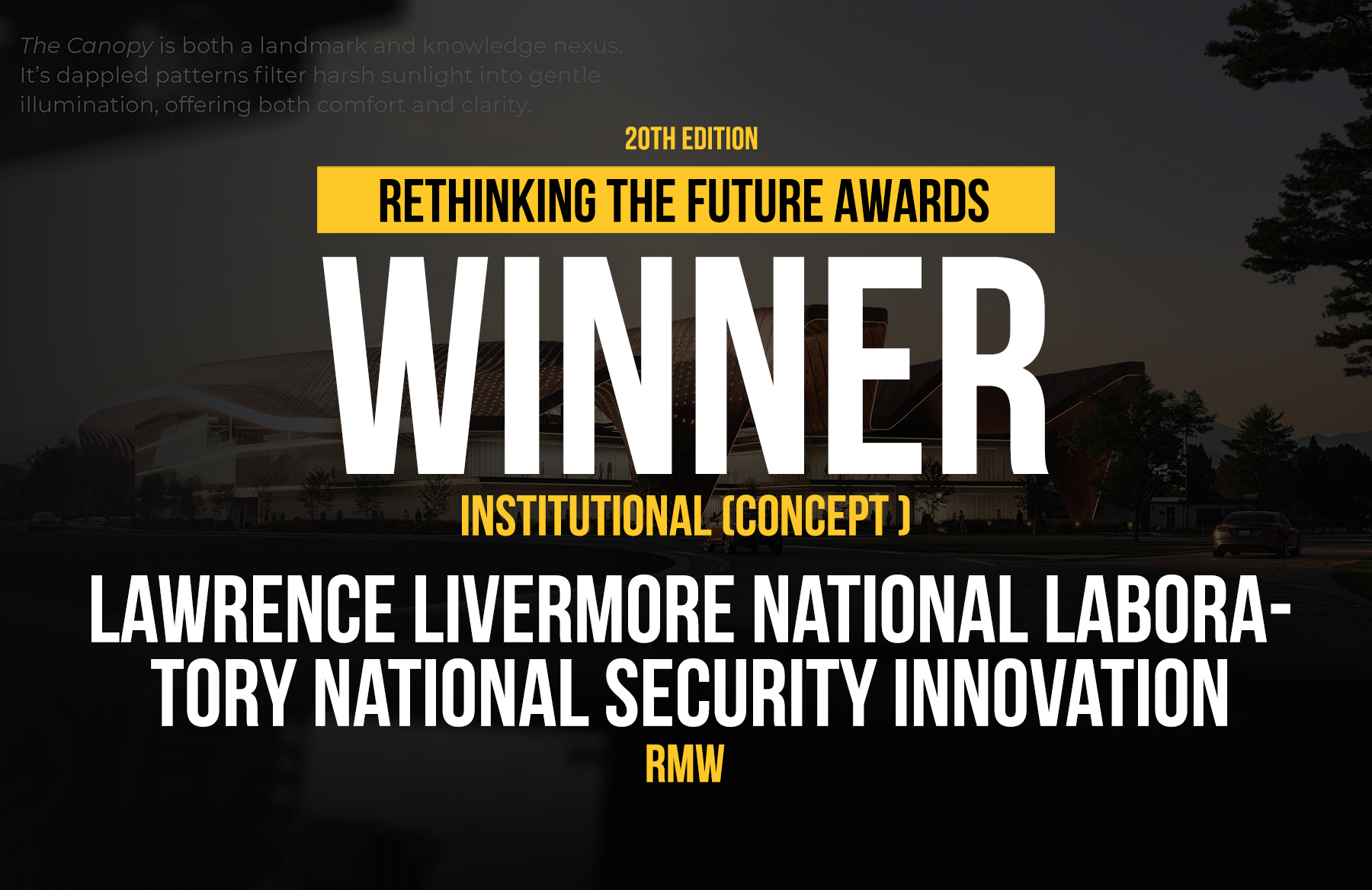
Rethinking The Future Awards 2026
First Award | Institutional (Concept)
Project Name: Lawrence Livermore National Laboratory National Security Innovation Center
Category: Institutional (Concept)
Studio Name: RMW
Design Team: Stan Lew, Principal-in-Charge, RMW Erin Alley, Project Manager, RMW Vi Bracco, Lead Architect, RMW
Geoff Hughes, Project Designer, RMW Hakee Chang, Design Principal, RMW
Area: 225,000 GSF.
Year: 2025
Location: Livermore Valley, CA, USA Consultants: N/A
Photography Credits: N/A Render Credits: N/A Other Credits: N/A
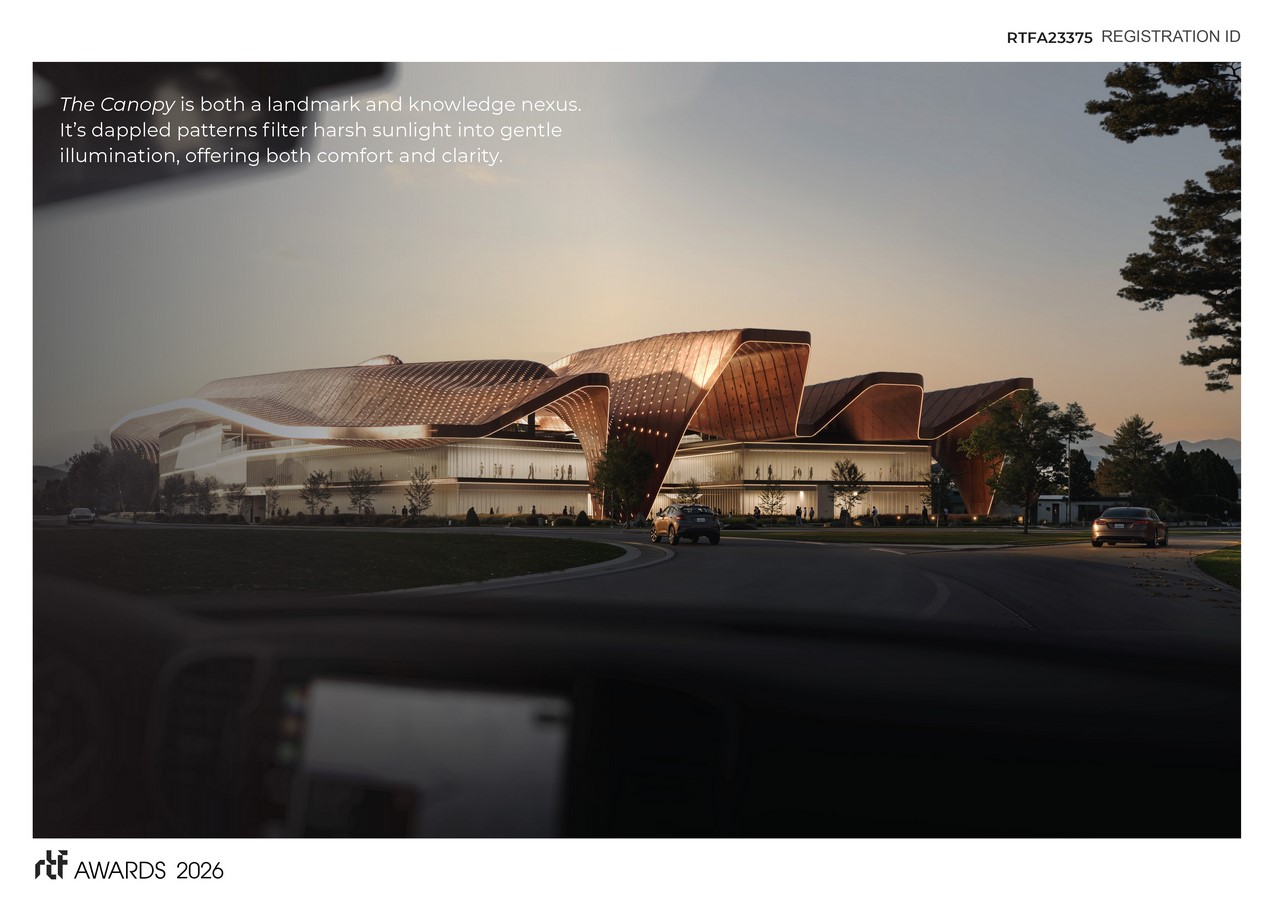
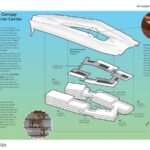
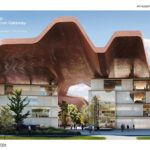
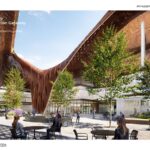
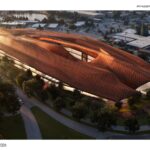
Situated at a key campus crossroads, the building acts as both anchor and connector. Its defining gesture is a sweeping roof plane that floats above the programmatic spaces below, creating a powerful architectural canopy. This deliberate separation allows the building to evolve over time: spaces beneath can shift, expand, or be reconfigured, while the roof maintains a consistent and recognizable identity. The strategy balances permanence with adaptability, giving the project a long life without sacrificing clarity of form.
The design is shaped through iterative exploration, testing multiple approaches to arrive at a solution that is both expressive and highly functional. Performance, flexibility, and experience are considered in equal measure, resulting in a building that is as efficient as it is memorable.
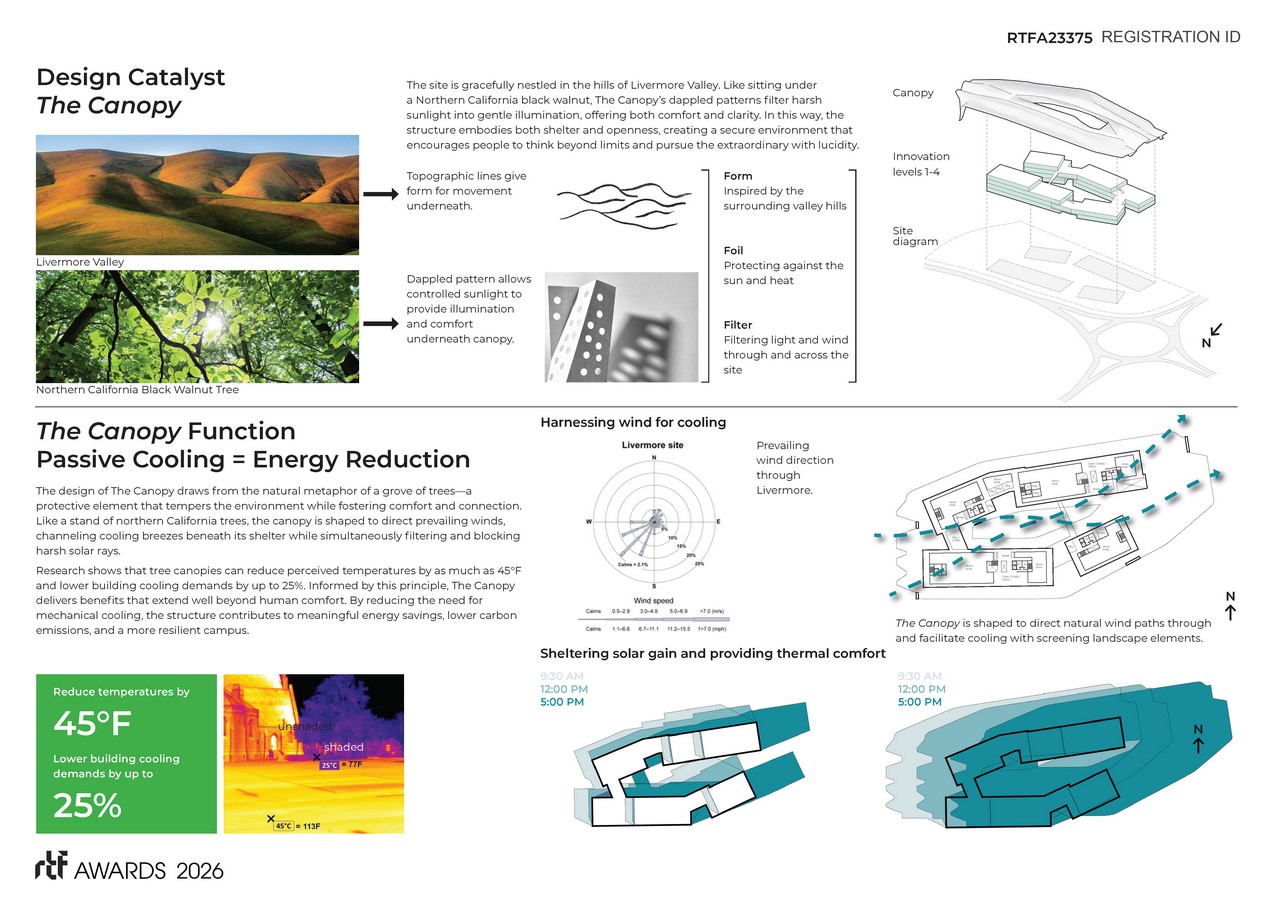
Structure, circulation, and spatial organization work together to create intuitive flows and moments of connection throughout.
Conceived as a hub for collaboration and exchange, the building is designed to bring people together—encouraging chance encounters, focused work, and collective problem-solving. Interior spaces are energized by daylight and framed views, while collaboration areas are woven throughout to support both formal and informal interaction. The architecture actively supports creativity, curiosity, and momentum.
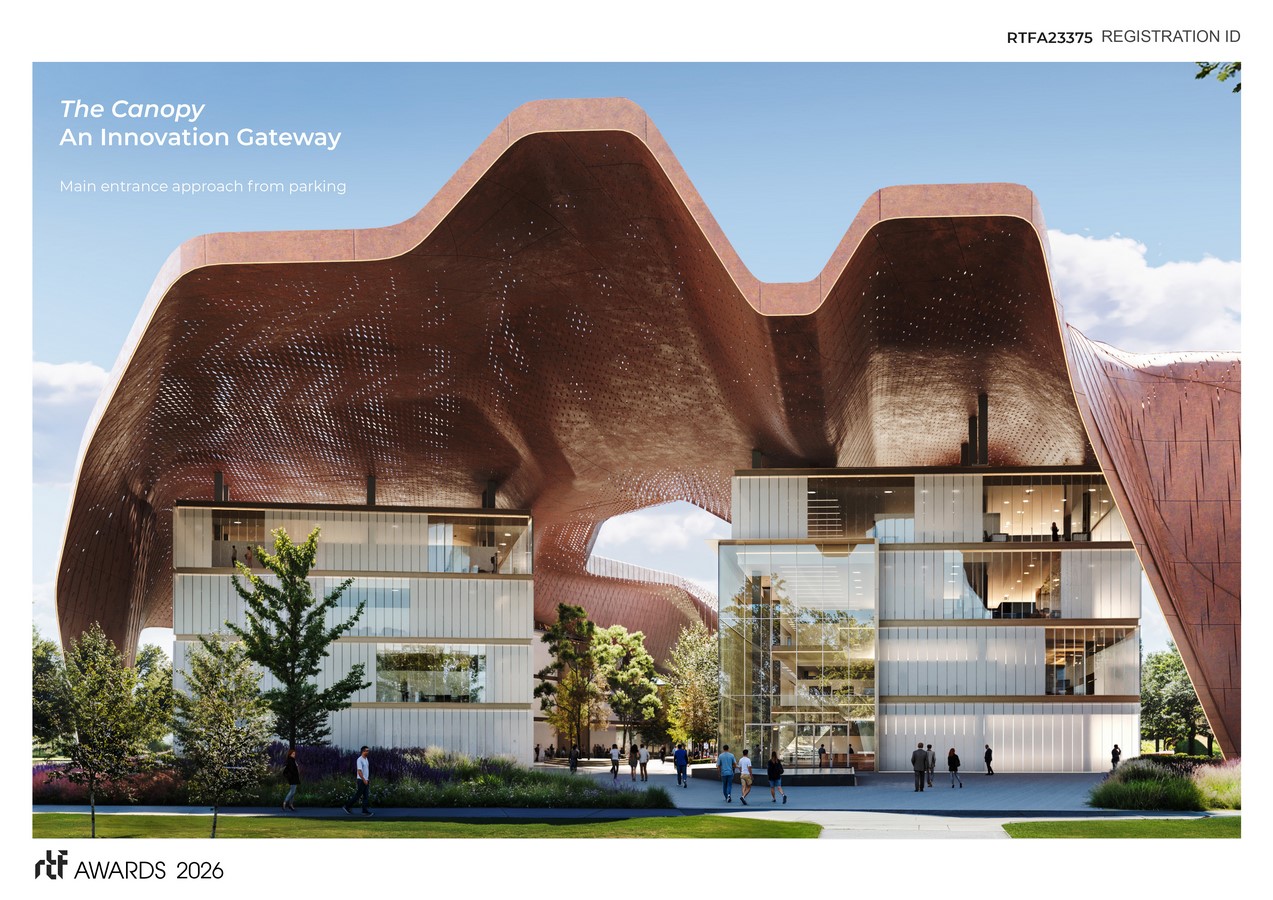
More than a standalone project, the building establishes a new visual and spatial reference point for the campus. Its bold silhouette and confident presence distinguish it from its surroundings, while still feeling deeply connected to place. The architecture communicates purpose through form—expressing strength, openness, and optimism without reliance on symbolism or monumentality.
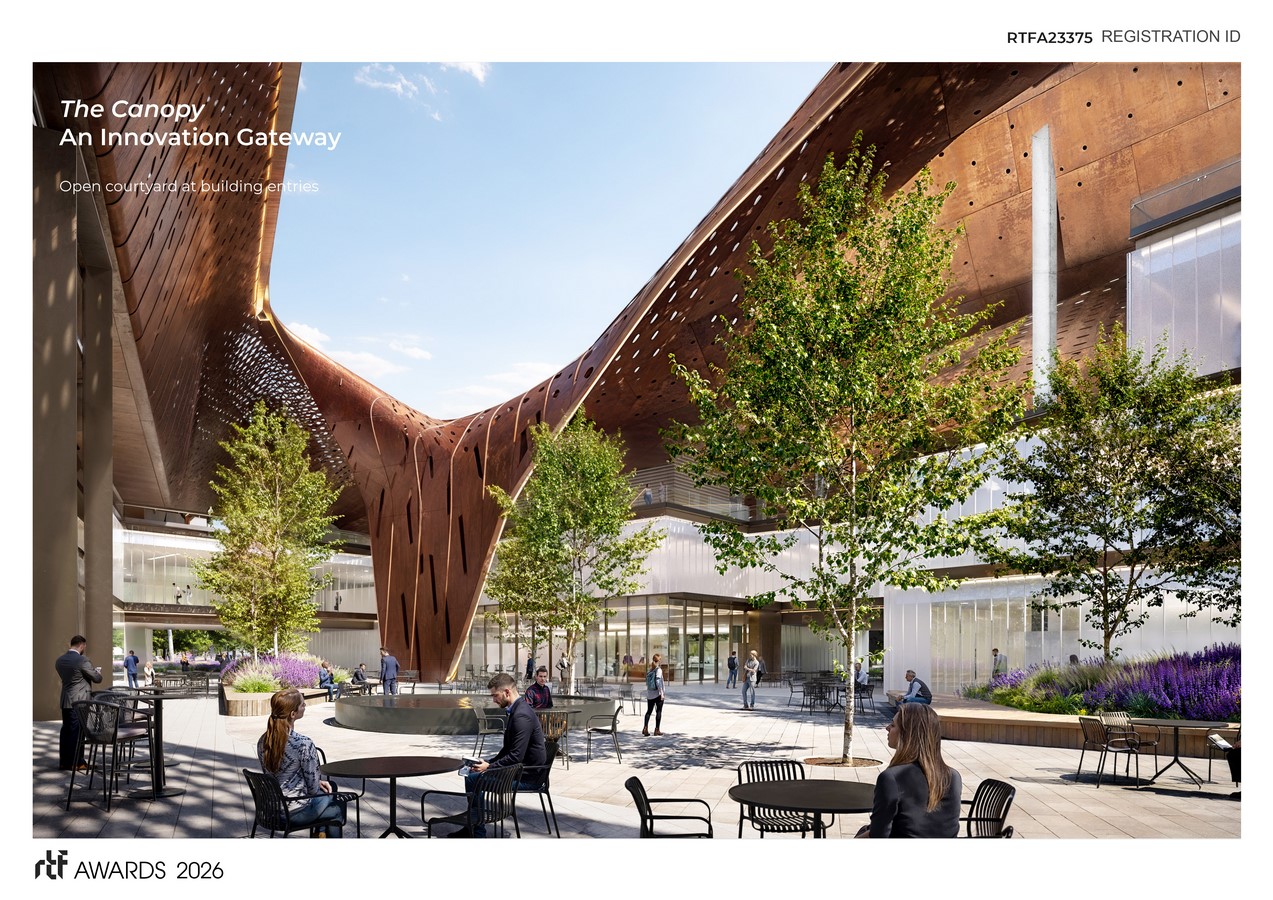
Spanning approximately 225,000 square feet, the project is organized as four interconnected buildings linked by elevated collaboration bridges. This configuration allows the complex to function as a cohesive whole or as independent, phaseable components as needs change. Secure workspaces and state-of-the-art offices are paired with flexible collaboration environments, all designed with future growth embedded at the core.
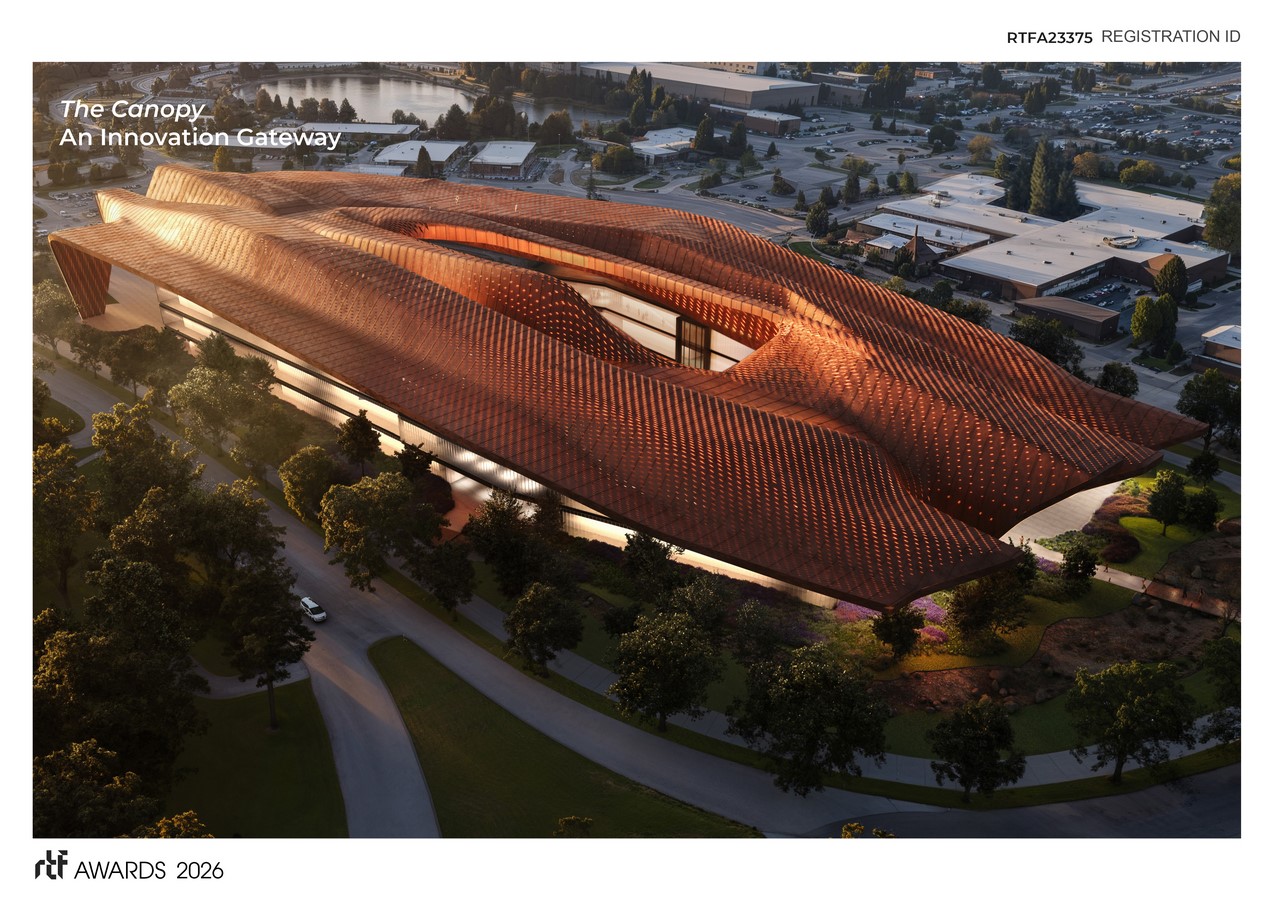
The result is an architecture that is resilient, expressive, and human-centered—one that prioritizes experience, adapts over time, and sets a new benchmark for design-driven innovation on campus.