

Football betting odds switch as ball control metric loses priority
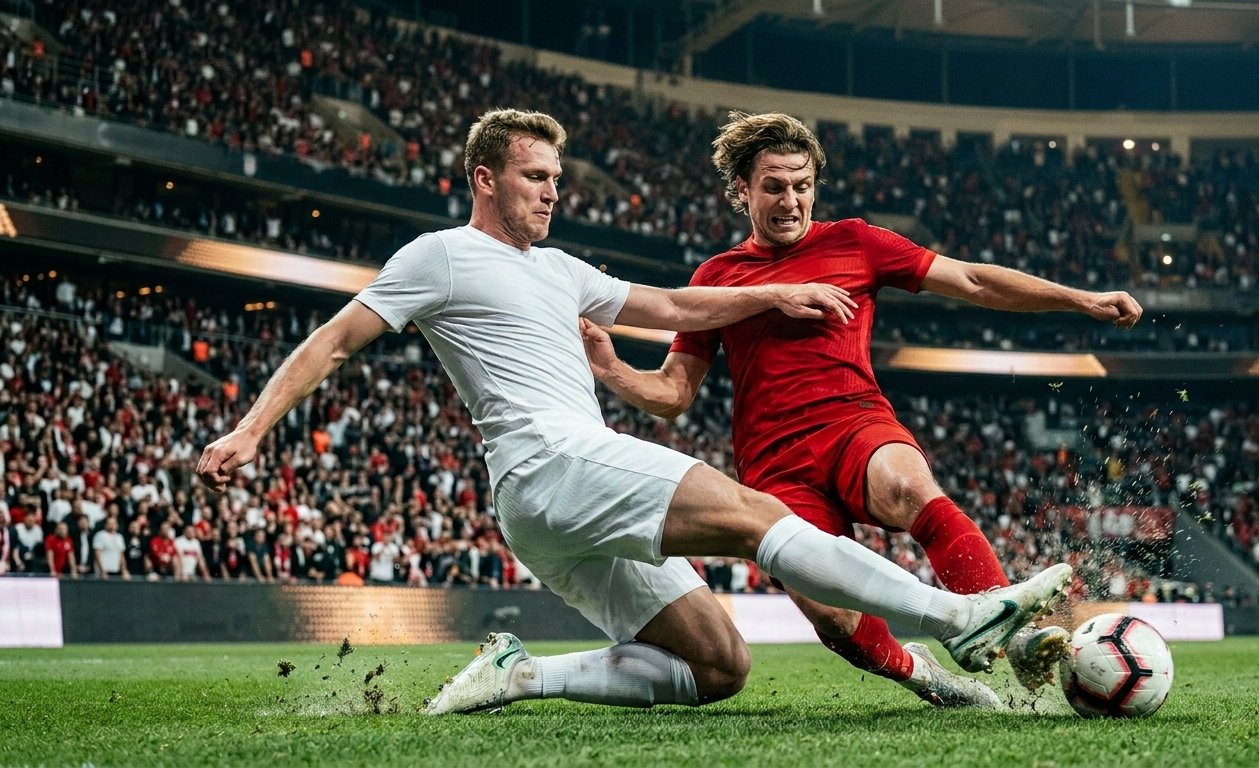
Looking back at football discussions a decade ago, you’ll notice a fun fact: fans and experts often focus on the percentage of ball possession after matches. Some consider this metric as a top way to assess teams' performance.
The logic seemed clear: if a club controls the ball most of the time, it must be outplaying its opponent.
Today, the attitude toward this statistic looks a little different. Ball possession still regularly comes up during broadcasts and post-match analyses. However, modern fans have access to a much greater volume of information than they did a few years ago. Many track various metrics, compare team statistics, and analyze additional data after matches, using such sources as bizbet tr to know more about betting lines for upcoming matches.
This shift alters how enthusiasts approach pre-match analysis and calculate probability variables. So, as fans become experts themselves, what is their fresh outlook on traditional metrics?
Numbers alone are no longer enough
Situations are becoming more common where a team has possession for most of the match but creates very few dangerous chances, often misleading casual bettors who rely solely on favorite status.
However, after the final whistle, the conversation is more often about how dangerous the attacks were rather than about possession, especially when live betting odds shift against the dominant side.
That is precisely why the metric itself has ceased to be seen as a universal tool for accurate football predictions.
If you look at highlights from European championships in recent years, you’ll find plenty of games where the team with less possession looked more dangerous. Such matches usually spark a lot of discussion.
Some fans focus on control of the game, while others point to the number of scoring chances created. As a result, the usual debate about possession is gradually shifting toward a discussion of the broader picture of the match, allowing for more balanced betting choices.
More data in broadcasts
Just a few years ago, possession percentage was one of the main statistics viewers saw on screen.
Now the situation is different, giving live bettors a massive analytical advantage during a game.
During major matches, viewers receive much more information. Various metrics appear related to:
- attacks
- shots
- the quality of scoring chances created.
Against this backdrop, possession remains a detail in modern betting strategies, but it is no longer seen as the sole benchmark for placing an in-play wager.
For many fans, it has become just one detail in the bigger picture.
Different teams use the ball in various ways
It’s interesting to see just how much playing styles can vary, which directly dictates total markets and handicap selections in modern sportsbooks.
Some teams try to keep possession for as long as possible, suppressing the tempo of the game. Others are comfortable without the ball and prefer to look for opportunities to launch quick counterattacks, often inflating the over/under goals line.
Both approaches can still be effective. That is why, when constructing a bet, the analysis focuses not so much on the possession percentage itself, but on what the team was able to do with that tactical advantage.
At the same time, interest in ball possession hasn’t gone anywhere. Rather, this metric has simply taken its place among a multitude of other figures that help offer a frank estimation of the game.
The conversation about football has broadened
This is perhaps the most noticeable change of all.
In the past, discussions and bets on a match often boiled down to the final score and a few basic stats. Nowadays fans and experienced bettors are able to access the game from various angles and pay attention to details that seemed too complicated and boring before, allowing them to spot value in alternative betting lines.
Possession remains an important statistic. Only now it’s seen as a minor component of a broader, data-native betting strategy, rather than the main point of view in any soccer debate.